

Every tablet swallowed, every injection administered, and every bottle of medicine dispensed in Sierra Leone begins a journey long before it reaches a hospital, pharmacy, or medical store. That journey starts at the country’s ports, where strict inspection procedures serve as the first line of defence against counterfeit, substandard, and illegal medicines.
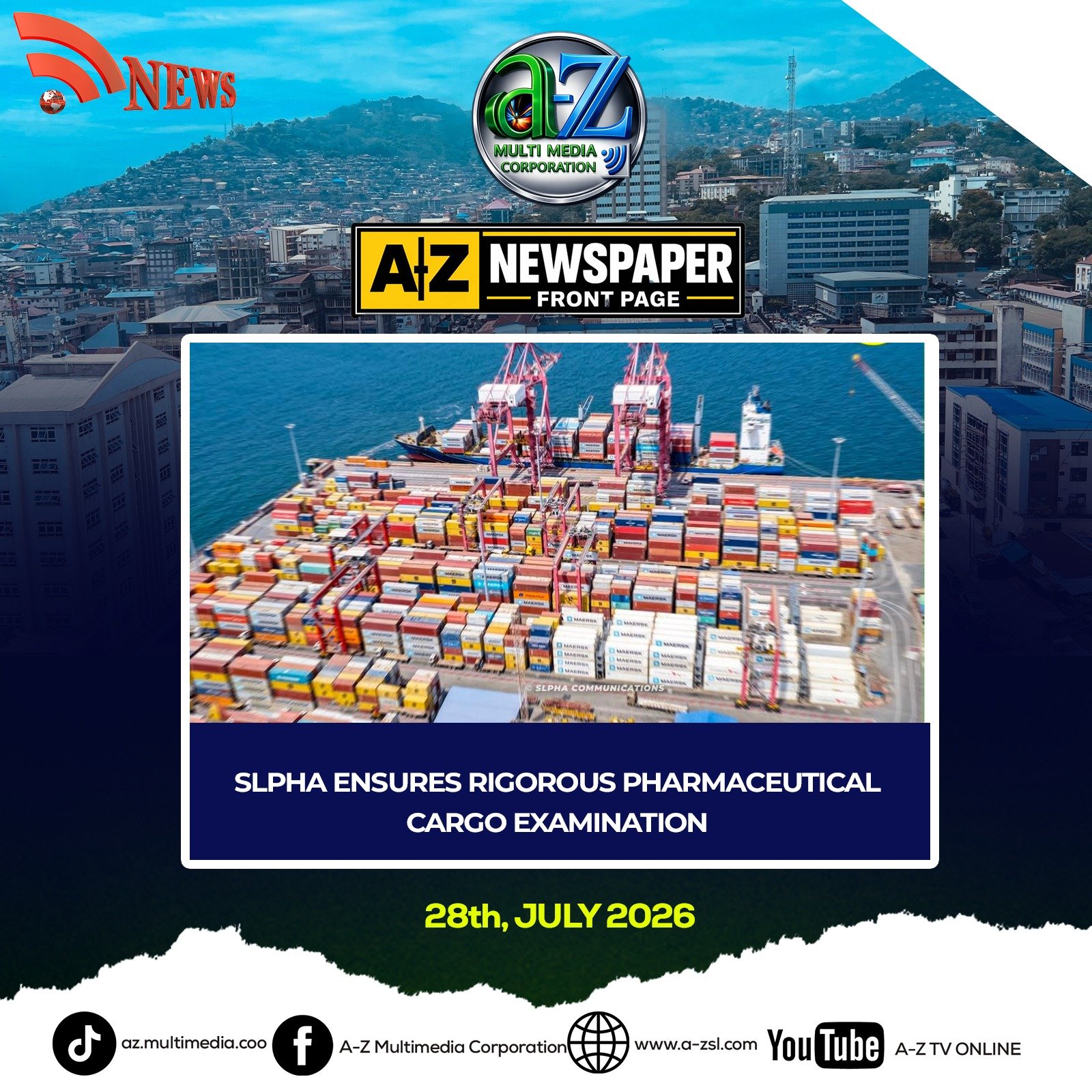
Unlike ordinary cargo, pharmaceutical imports undergo one of the most thorough examination processes at the Queen Elizabeth II Quay. The objective is not to create unnecessary delays for legitimate importers but to protect millions of Sierra Leoneans from medicines that could pose serious risks to public health if allowed into circulation without proper verification.
Counterfeit and falsified medicines remain a major global public health concern, particularly in developing countries where criminal networks often exploit gaps in regulatory systems. Such products may contain incorrect ingredients, insufficient active substances, or harmful chemicals that can lead to treatment failure, serious health complications, or even death.
Recognising these risks, Sierra Leone has established a coordinated inspection system where pharmaceutical consignments, particularly those flagged through intelligence gathering, undergo 100 percent physical examination before they are cleared for release.
The exercise is conducted through collaboration among the Sierra Leone Ports and Harbours Authority (SLPHA), the Pharmacy Board of Sierra Leone, the National Revenue Authority (NRA), the Transnational Organized Crime Unit (TOCU) of the Sierra Leone Police, the Standards Bureau, and other relevant government institutions.
The examination process goes beyond the verification of documents. Officials physically inspect consignments to confirm that imported medicines correspond with shipping records, verify their authenticity, detect prohibited or controlled substances, and ensure compliance with national regulations and internationally accepted pharmaceutical standards.
The effectiveness of this system has been demonstrated through several successful interceptions. During recent 100 percent examinations, authorities discovered cartons of counterfeit medicines concealed inside containers. By mid-2026, joint operations by SLPHA and other government agencies had led to the interception of hundreds of cartons containing illegal drugs, including large quantities of tramadol and other controlled substances.
Had these products entered the market undetected, they could have reached pharmacies, health facilities, and communities, exposing countless people to serious health risks. These discoveries highlight the critical role of comprehensive pharmaceutical inspections in protecting public safety.
Although the examination process requires time, coordination, and careful attention to detail, authorities emphasize that it should not be viewed merely as an administrative requirement. Instead, it represents a necessary investment in safeguarding human lives. The few additional hours spent verifying pharmaceutical cargo can prevent dangerous medicines from reaching thousands of unsuspecting patients.
The inspection process at the Queen Elizabeth II Quay is also supported by a secure operating environment. Cargo handling and examination activities are strengthened by trained port security personnel, private security officers, CCTV surveillance systems, and the coordinated presence of multiple state agencies. These security measures help protect cargo, prevent tampering, and maintain the integrity of imported goods throughout the clearance process.
Like many growing ports across the region, the Queen Elizabeth II Quay experiences periods of congestion due to increasing cargo volumes, improved vessel turnaround times, expanding trade activities, and limitations in available port space. However, operational measures continue to be implemented to improve cargo movement and reduce delays while ensuring that essential regulatory and security procedures are not compromised.
For agencies responsible for border protection and public health, maintaining a balance between trade facilitation and regulatory enforcement remains crucial. While faster cargo clearance is important for economic activity, it must never come at the expense of public safety.
As Sierra Leone continues to strengthen its health and trade systems, pharmaceutical cargo examination remains one of the country’s strongest safeguards against counterfeit drugs, illegal medicines, and other dangerous products. It is a largely unseen but vital process that plays a significant role in ensuring that medicines reaching hospitals, pharmacies, and households are safe, genuine, and fit for human consumption.
Ultimately, the goal is clear: while protecting trade is important, protecting lives is indispensable. Every pharmaceutical container carefully examined at Sierra Leone’s seaport represents another step towards ensuring that the medicines citizens rely on are safe, effective, and exactly what they are intended to be.