

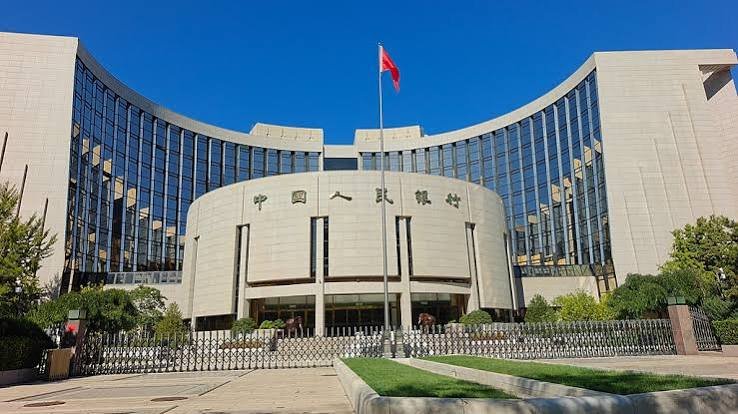
The People’s Bank of China (PBOC), the country’s central bank, has reaffirmed China’s commitment to allowing market forces to play a decisive role in determining the exchange rate of the renminbi (RMB).
The PBOC made the clarification on Thursday amid increased attention and discussion surrounding the RMB exchange rate.
China operates a managed floating exchange rate regime based on market supply and demand, with reference to a basket of currencies. According to the central bank, market forces play a decisive role in determining the RMB exchange rate.
The PBOC said the RMB has experienced two-way movements over the past two decades, including several cycles of appreciation and depreciation since 2010. It added that the currency has become more flexible, with greater two-way fluctuations.
The central bank also rejected suggestions that China uses currency depreciation to gain a competitive advantage in international trade. It said China’s trade growth is driven by its increasing industrial competitiveness in global markets and stressed that the country has neither the need nor the intention to pursue competitive devaluation.
The PBOC explained that exchange rate movements are influenced by multiple factors, including economic growth, monetary policy, financial markets, geopolitical developments and unexpected shocks. It said there is no straightforward relationship between exchange rates and a country’s current account.
On claims that the RMB is undervalued, the central bank said there is no internationally established methodology for determining the equilibrium level of an exchange rate. It therefore argued that using individual assessment findings as “official evidence” of RMB undervaluation amounts to a misinterpretation and misuse of such assessments.
The PBOC further said global economic imbalances are linked to changes in the global division of labour, weaknesses in the international monetary system, persistent fiscal deficits and high consumption in some countries.
It said addressing these imbalances requires collective action by all stakeholders, rather than attributing industrial competitiveness, fiscal and structural challenges solely to exchange rate policies.
Looking ahead, the PBOC said China will continue contributing to global economic rebalancing during the 15th Five-Year Plan period from 2026 to 2030.
It said the country will continue transforming its economic growth model, expanding domestic demand, improving the business environment and deepening high-standard opening-up, while promoting a more open, inclusive and balanced global economy.