

By: Aminata Sesay
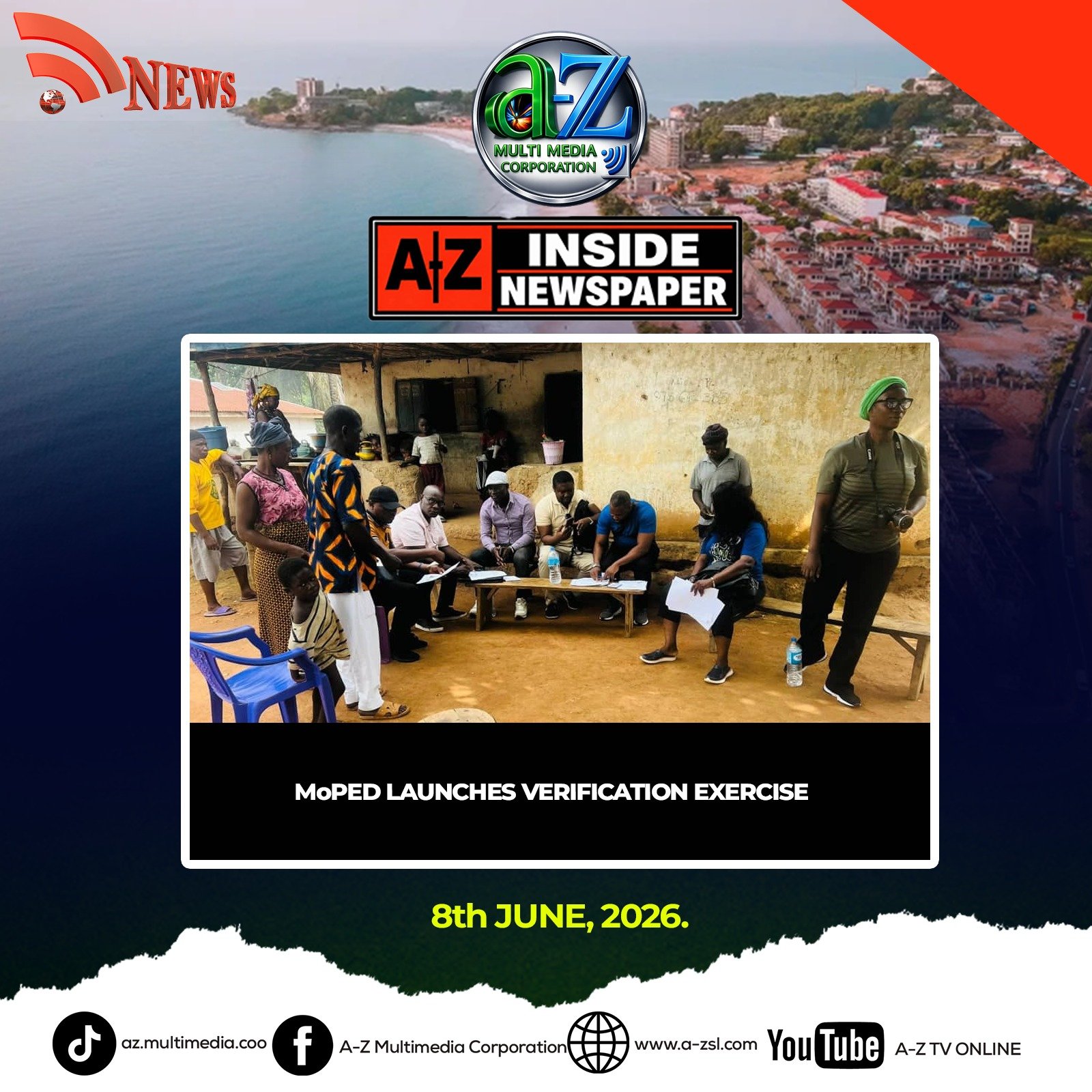
The Ministry of Planning and Economic Development (MoPED), through its National Development-Induced Resettlement Directorate (NDIRD), has commenced a four-day sensitization and verification exercise for Project-Affected Persons (PAPs) under the Enhancing Sierra Leone Energy Access Project (ESLEAP) in Koinadugu District.
The exercise, which began in Fadugu, targets 151 Project-Affected Persons from 22 communities along the Fadugu-Kabala corridor. It forms part of preparations for the construction of a 33kV electricity distribution line that will connect the Fadugu Substation to Kabala Township.
The project, being implemented under the Regional Emergency Solar Power Intervention Project, is expected to significantly improve access to electricity and promote socio-economic development across communities in Koinadugu District.
The sensitization and verification exercise aims to ensure that affected residents are fully informed about the project, their rights and entitlements, and compensation arrangements for assets that may be impacted by the construction works. The process will also verify ownership claims, occupancy rights, and beneficiary information in accordance with national resettlement regulations and international safeguard standards.
The engagement brought together representatives from the Electricity Distribution and Supply Authority (EDSA)-hosted Project Implementation Team, officials from MoPED’s National Development-Induced Resettlement Directorate, traditional leaders, community stakeholders, and affected residents.
Community representatives welcomed the initiative, describing it as a major step toward expanding electricity access in the district. They noted that a reliable power supply would stimulate economic activity, improve public services, and enhance the overall quality of life for residents.
Project officials provided detailed information on the scope of the proposed distribution line and outlined the expected benefits of the project, including increased access to electricity, support for local businesses, and expanded development opportunities for communities along the project route.
A key component of the engagement focused on explaining compensation and entitlement packages for Project-Affected Persons. Senior Environmental Specialist Senesie Fullah and Social Safeguards and Gender Specialist Augusta Berewah led discussions on compensation procedures, eligibility criteria, and safeguard measures.
The officials assured participants that compensation would be determined based on verified losses and affected assets, emphasizing that the process would be conducted transparently, fairly, and in compliance with established guidelines. Community members were also informed about the grievance redress mechanisms available for addressing complaints and concerns throughout the project implementation period.
Speaking during the engagement, NDIRD Deputy Director Dennis Macfoy underscored the importance of community cooperation in ensuring the success of the verification exercise. He noted that accurate verification is essential for protecting the rights of affected persons and ensuring compliance with Sierra Leone’s resettlement framework.
Macfoy encouraged residents to provide accurate information and work closely with verification teams to facilitate a credible, efficient, and transparent process.
Traditional authorities and local leaders pledged their full support for the project and called on residents to cooperate with officials throughout both the verification and implementation phases. They also encouraged affected persons to utilize the established grievance channels whenever necessary.
The exercise has already enhanced awareness among affected communities regarding the project’s objectives, compensation procedures, and verification requirements. Officials confirmed that the community-by-community verification exercise will continue along the project corridor before concluding in Kabala Township.
Participants at the close of the engagement expressed strong support for the project and welcomed the continued involvement of MoPED’s National Development-Induced Resettlement Directorate in safeguarding the rights and interests of affected communities.
Once completed, the Regional Emergency Solar Power Intervention Project is expected to significantly expand electricity access across Koinadugu District, strengthen the region’s energy infrastructure, and contribute to Sierra Leone’s broader development agenda by improving access to reliable and sustainable energy services in underserved communities.