

By: Saidu Jalloh
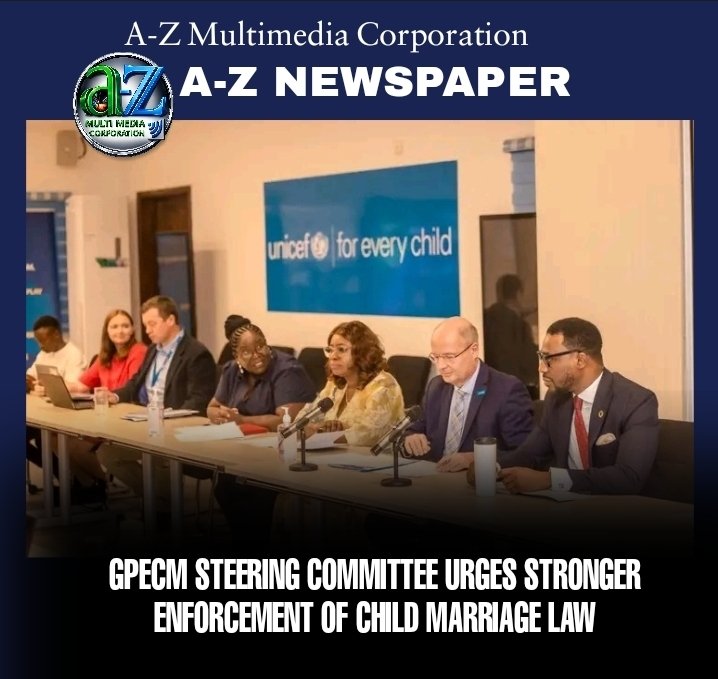
The Global Programme to End Child Marriage (GPECM) Steering Committee has concluded a high-level monitoring mission to Sierra Leone, calling for stronger enforcement of the Prohibition of Child Marriage Act 2024 to ensure effective protection for girls nationwide.
The programme, a joint initiative of the United Nations Population Fund (UNFPA) and the United Nations Children’s Fund (UNICEF), acknowledged Sierra Leone’s significant progress in reducing child marriage—from 48 percent in 2008 to 30 percent in recent years. However, the committee emphasized that sustaining these gains will require a more coordinated and comprehensive national effort.
During engagements in Freetown, the delegation held high-level discussions with key government stakeholders, stressing the need to move beyond legal frameworks toward effective, survivor-centered implementation. Officials from the Ministries of Gender, Justice, and Social Welfare, the committee noted, are working toward what was described as a “multi-sectoral shield” to protect vulnerable girls.
The mission also engaged technical representatives from the Ministries of Finance, Health, and Education, advocating for the integration of girl-centered protection mechanisms into national planning and budgeting processes. The committee stressed that aligning policy commitments with adequate funding is essential for long-term impact.
In a courtesy visit, the delegation commended First Lady Fatima Maada Bio for her leadership in championing the #HandsOffOurGirls campaign, noting that the initiative played a crucial role in paving the way for the enactment of the 2024 legislation.
Beyond the capital, the team visited district-level institutions to assess how national policies are being implemented locally. In Kambia District, traditional leaders—including Paramount Chief Alusine Yilla II highlighted the importance of community leadership in addressing harmful cultural practices. Local authorities also pointed to interventions such as the Cash Plus programme and adolescent-friendly health services as key support systems for at-risk girls.
In Koinadugu District, the committee observed community-based strategies, including sexual and reproductive health hubs, intergenerational dialogues, and parenting programmes designed to engage men and boys in prevention efforts. According to the mission, these approaches are contributing to shifts in long-standing social norms.
Despite the progress made, the committee warned that enforcement remains a major challenge. It called for sustained investment in training judicial officers, expanding safe spaces for survivors, and strengthening grassroots engagement to promote lasting behavioural change.
The delegation concluded that translating the Prohibition of Child Marriage Act 2024 into tangible protection will require a “whole-of-government” and “whole-of-community” approach, supported by strong political will and adequate resources.