

By: Aminata Sesay
The Government of Sierra Leone is deepening its collaboration with development partners to address growing water and sanitation challenges, with Catholic Relief Services (CRS) emerging as a key partner in advancing sustainable solutions.
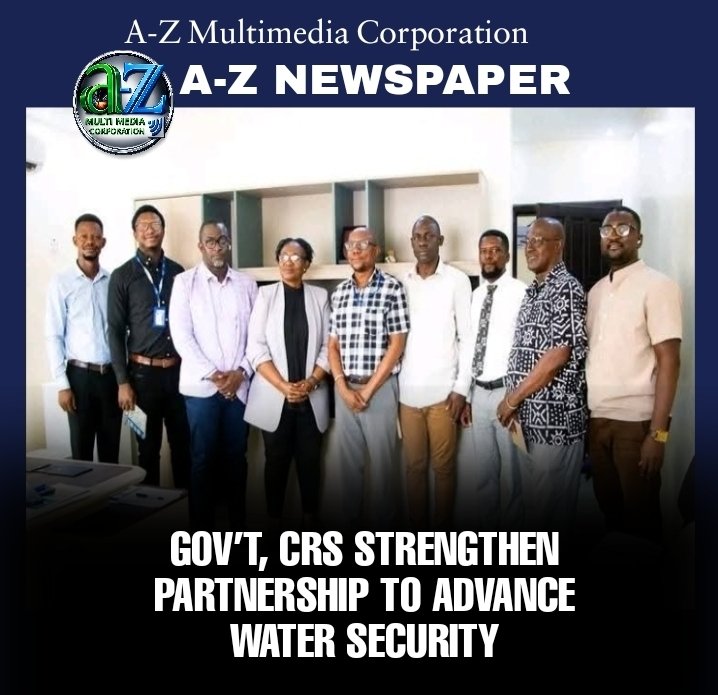
This renewed partnership was highlighted during a high-level meeting between officials from the Ministry of Water Resources and Sanitation and a CRS delegation. Both sides reaffirmed their shared commitment to improving access to safe water and protecting critical environmental resources.
Leading the CRS delegation, Country Manager Michael Moyo outlined the organization’s evolving strategy, which places strong emphasis on building local capacity and promoting climate-resilient interventions. He was joined by technical and partnership experts as discussions focused on expanding impact in vulnerable communities.
A key highlight of the engagement was the introduction of a new coordination and data visualization platform designed to transform how water and sanitation interventions are planned and monitored. The system is expected to enhance data integration, strengthen stakeholder collaboration, and support more informed decision-making across the sector.
Authorities indicated that the initiative will initially focus on informal settlements in Freetown, where rapid urban growth continues to strain water infrastructure and increase environmental risks.
Minister of Water Resources and Sanitation, Sao-Kpato Hannah Isata Max-Kyne, welcomed the development, describing CRS as a long-standing partner whose contributions have evolved from advisory support to concrete infrastructure interventions.
She highlighted ongoing efforts in the Western Peninsula, a vital water catchment area for the capital, where joint initiatives have focused on protecting key water sources. These efforts include the installation of barriers to prevent encroachment and reduce contamination risks.
According to the Minister, such measures are crucial to safeguarding water quality and ensuring reliable access for the country’s growing urban population. She emphasized that sustained collaboration will be essential in tackling the combined pressures of climate change, population growth, and unregulated urban development.
The engagement reflects a broader shift toward integrated, partnership-driven solutions within Sierra Leone’s water sector, as both government and international organizations intensify efforts to secure long-term water sustainability.
CRS officials reaffirmed their commitment to supporting national priorities, noting that continued collaboration will be vital in delivering innovative solutions capable of meeting the country’s increasing water demands.