

By: Saidu Jalloh
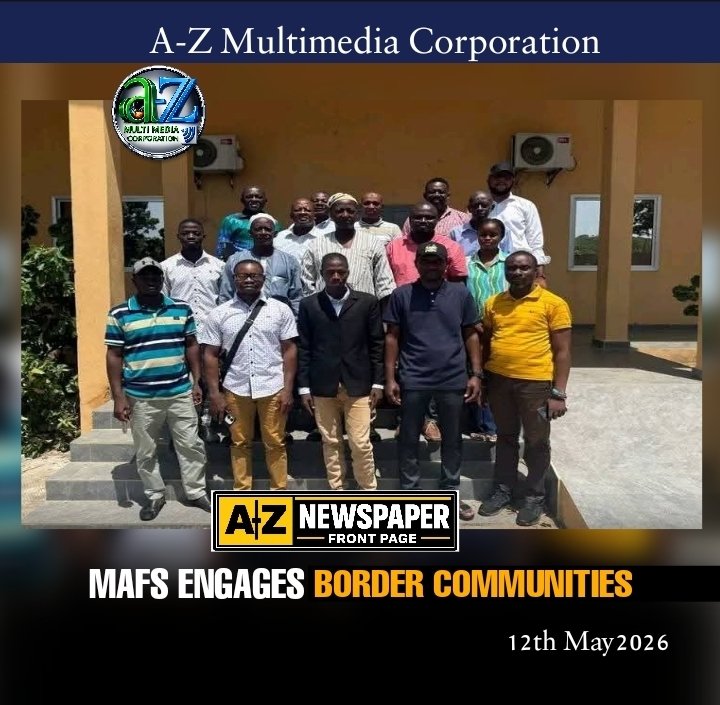
The Livestock and Veterinary Services Division of the Ministry of Agriculture and Food Security (MAFS), with support from the World Bank Pandemic Fund, has concluded stakeholder engagement meetings in Falaba and Kambia Districts on the planned establishment of animal quarantine facilities aimed at strengthening disease surveillance in border communities.
The engagements, which targeted farmers, traders, religious leaders, local authorities, and other stakeholders, were held from 7–9 May in Falaba District and from 5-8 May in Kambia District.
Speaking during the engagement in Kambia District, Assistant Director for Livestock, Salam Saidu, recalled Sierra Leone’s experiences during the Ebola and Monkeypox outbreaks, emphasizing the need for stronger animal disease surveillance systems.
“We experieced these crises, and they strengthened our capacity to fight animal diseases,” he stated.
Saidu disclosed that Sierra Leone previously recorded only 30 percent performance in animal disease surveillance, warning that approximately 75 percent of infectious diseases affecting humans originate from animals. He explained that the World Bank Pandemic Fund was established to help countries strengthen their health and livestock systems, adding that Sierra Leone successfully secured support under the initiative.
Delivering a similar message in Falaba District, Deputy Secretary at MAFS, Sundu Marrah, underscored the importance of the project in improving livestock monitoring and preventing the spread of transboundary animal diseases.
Addressing stakeholders, Animal Production Officer at MAFS, Joseph M. Samai, announced that Falaba and Kambia were among the districts selected for the establishment of quarantine facilities because of their strategic border locations.
“We need land and the active participation of local authorities in establishing these facilities because they will belong to your communities,” Samai appealed.
He further revealed that Parliament is expected to enact the proposed Animal Health Bill, which seeks to regulate animal health management, monitor animal products, and strengthen certification processes for animal movement across the country.
World Bank representative and Environmental Safeguards Specialist under the Integrated Health Projects Administration Unit (IHPAU), Christiana Fortune, emphasized the importance of environmental and social safeguards during project implementation.
She urged stakeholders to ensure proper waste management practices and called for close collaboration with landowners in securing the documentation required by the World Bank.
Meanwhile, Member of Parliament for Constituency 057 in Kambia District, Mohamed Tarawallie Fofanah, welcomed the initiative and described the project as critical to protecting public health and boosting economic opportunities in Sierra Leone.
Stakeholders in both districts pledged their support for the initiative and agreed to provide land and community leadership backing for the establishment of the quarantine facilities.
The meetings were held at the respective District Council Halls and brought together representatives from local councils, farming groups, traditional leaders, traders, and development partners.