

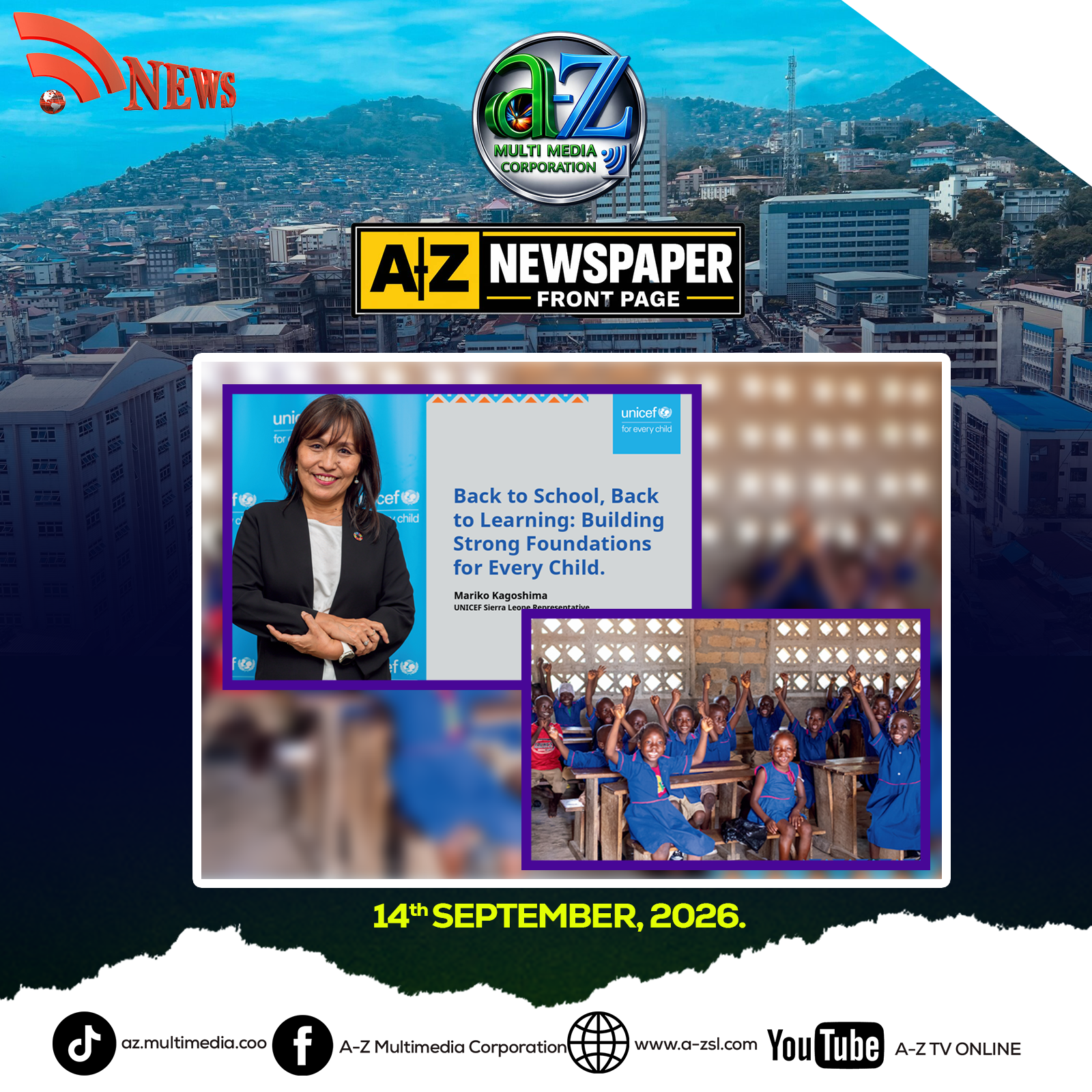
But improving learning at scale requires more than better teaching. Sierra Leone also needs strong education data and assessment systems that allow us to understand which children are learning, who is being left behind and where support and resources are most needed. Initiatives that link education data with identity systems, including the National Identification Number and birth registration, can help strengthen planning and inclusion so that every child is counted and supported throughout their learning journey. Education financing is equally important. Strong results require sustained investment in teachers, learning materials, safe schools, data systems, assessment, supervision and support for the most marginalized children. Every leone invested effectively in foundational learning is an investment in Sierra Leone’s future, strengthening the skills, productivity and opportunities of the next generation. The literacy, numeracy and life skills children develop today will shape the workforce, productivity and economic growth of tomorrow. Strong foundations for learning depend on what children experience every day, in school, at home and in their communities: supportive teachers, effective learning materials, inclusive classrooms and families and communities that encourage children to attend, participate and learn. These foundations are especially important for children who face the greatest barriers to learning, including girls, children with disabilities and children living in remote communities. As schools reopen, we should listen closely to children’s voices. A child who says, “I can read this now,” is showing us what progress looks like. A teacher who says, “I now know another way to explain this lesson,” demonstrates why investment in professional development matters. A classroom where children are reading, counting, asking questions and participating with confidence is evidence of reform reaching the place where it matters most. Sierra Leone has made important progress in expanding access to education. Today, almost 2 million children aged 6–18 are enrolled in or attending school, yet more than 500,000 remain out of school. The challenge now is to ensure that every child enters school, stays in school, learns well and develops the skills needed for life. UNICEF remains committed to supporting the Government of Sierra Leone in this effort. Together with teachers, families, communities and partners, we can help build an education system that is government-led, child-centred and focused on learning.