

By Mamajah Jalloh
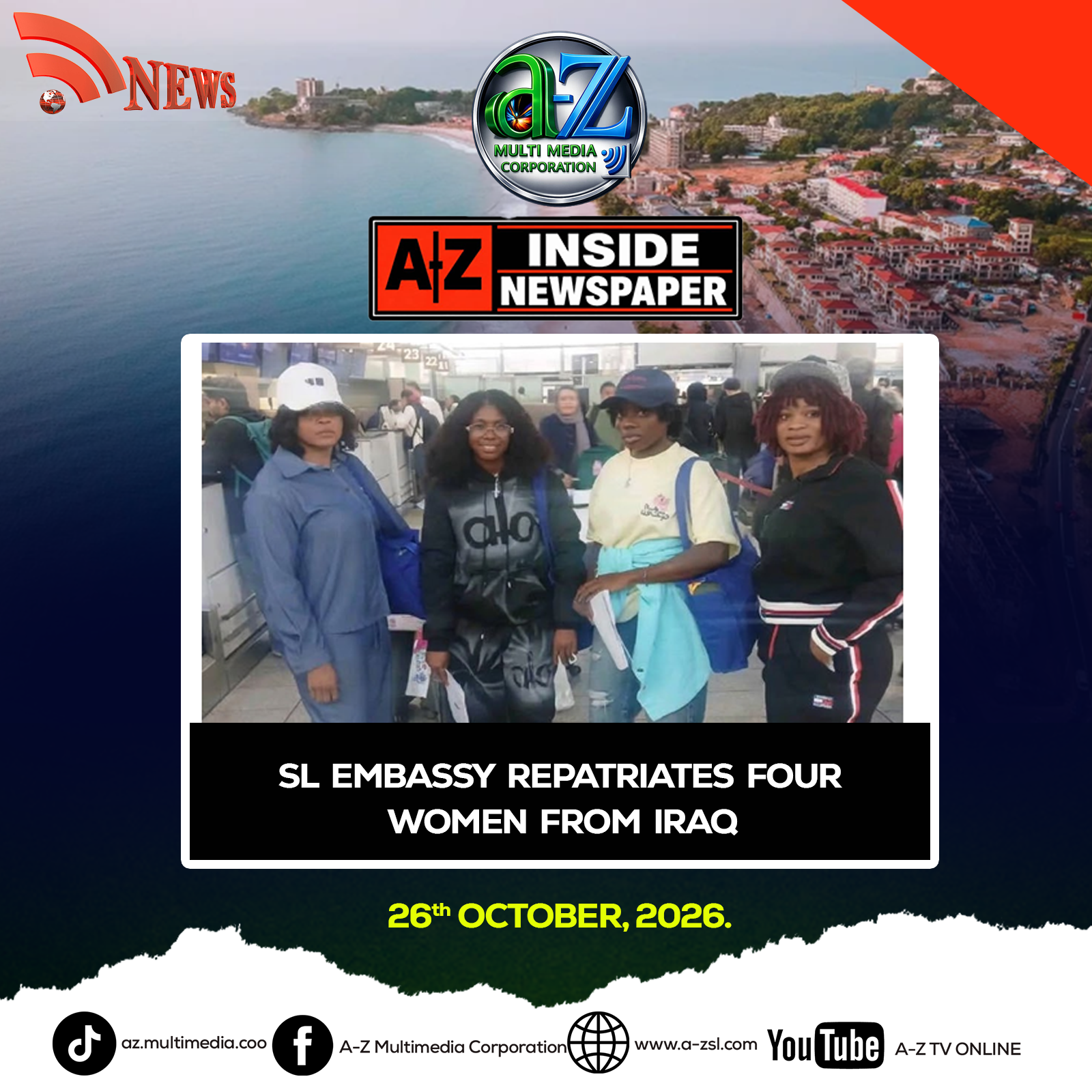
The Embassy of Sierra Leone in Tehran, Iran, in collaboration with the International Organization for Migration (IOM), has facilitated the safe return of four Sierra Leonean women who were stranded in Iraq after travelling there in search of employment. The women arrived safely in Freetown on Friday, 23rd October 2026, and have since reunited with their families.
According to the Embassy, the women travelled to the Kurdistan Region of Iraq after being recruited by agents who promised them domestic jobs paying approximately US$500 per month. Each woman reportedly paid more than US$2,000 to cover travel and employment arrangements.
However, upon arrival, the women alleged that the conditions they encountered differed significantly from what had been promised. They claimed that their employers confiscated their passports and subjected them to maltreatment, harsh working conditions, delayed salary payments and wages far below the agreed amount.
The women reportedly worked in Kurdistan for between three and four years. After their contracts expired, they spent more than six months unsuccessfully searching for alternative employment. Their situation reportedly worsened when they paid another agent US$1,300, following a promise to facilitate their travel to Turkey. However, the promised journey never materialized.
The women subsequently came into contact with Iranian authorities, who referred them to the Sierra Leone Embassy in Tehran for consular assistance. The Embassy then collaborated with IOM in Iran to facilitate the necessary documentation, travel arrangements and other support required for their safe and orderly return to Sierra Leone.
Sierra Leone’s Ambassador to Iran, H.E. Salamu Koroma, encouraged the returnees to learn from their experiences and view their return as an opportunity to rebuild their lives, support their families and contribute positively to national development.
The successful repatriation underscores the importance of Sierra Leone’s diplomatic missions in protecting and assisting nationals in distress abroad. It also highlights the role of international partnerships, particularly with IOM, in supporting vulnerable migrants and facilitating their safe return home.