

By: Aminata Sesay
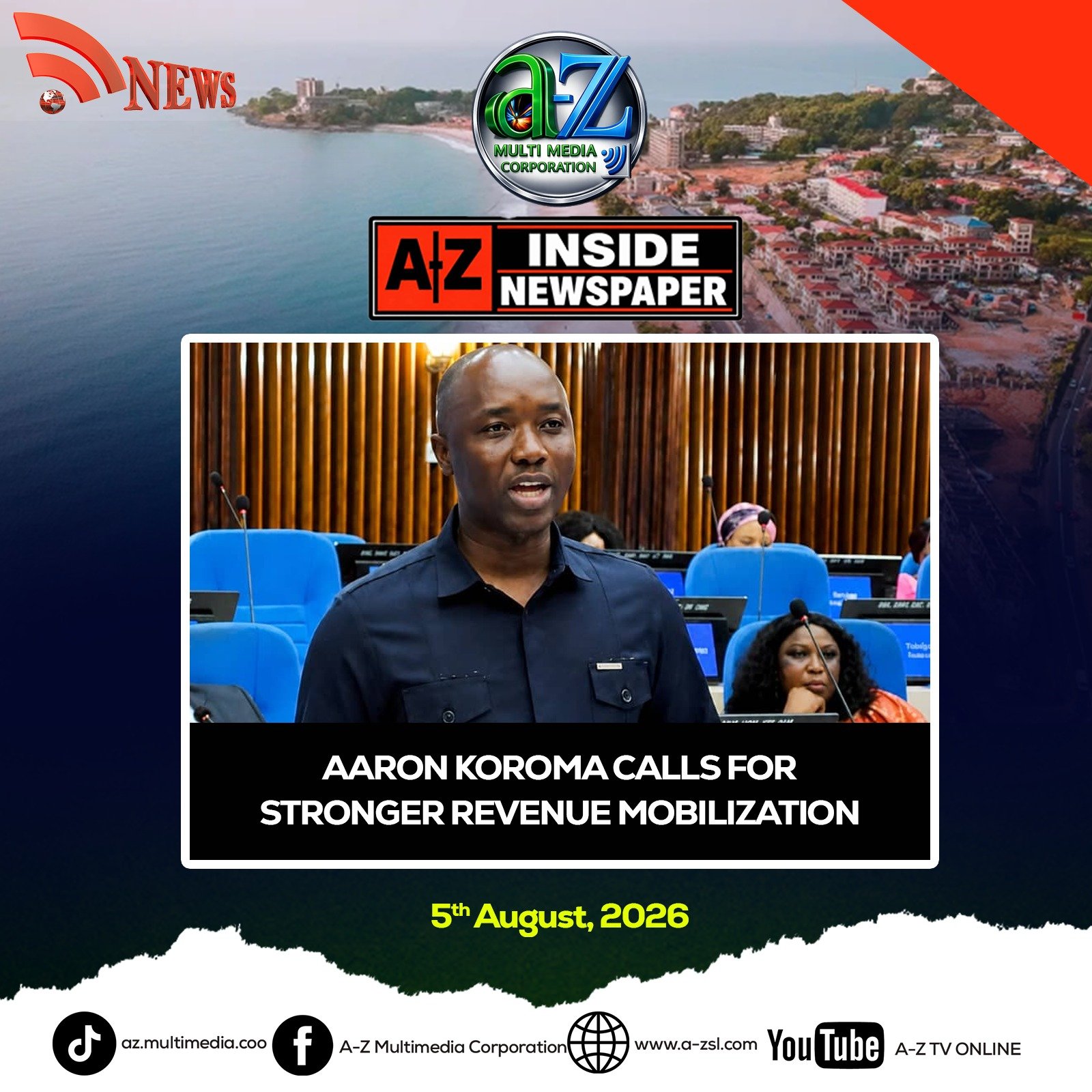
Deputy Opposition Leader Hon. Aaron Aruna Koroma has raised concerns over spending priorities in the Government’s 2026 Supplementary Budget, warning that major reductions in key development programmes could affect national progress.
Speaking during parliamentary debate on the Supplementary Appropriation Bill, 2026, Hon. Koroma argued that the revised budget redirects resources away from critical sectors at a time when Sierra Leone continues to face significant socio-economic challenges.
He expressed particular concern over the reduction in funding allocated to human capital development, describing the cut as inconsistent with the Government’s stated commitment to improving education, healthcare, and social services.
According to Hon. Koroma, funding for the programme was reduced by more than 80 percent from the original budget allocation.
“If a budget is intended to protect the people, then spending priorities must reflect that commitment,” he told Parliament.
The Deputy Opposition Leader also questioned the reduction in funding for the 2026 Population and Housing Census, emphasizing that adequate financial support is necessary to ensure the successful conduct of a credible national census.
He noted that census data provides the foundation for effective national planning, evidence-based policymaking, and fair distribution of resources. He therefore called on the Ministry of Finance to reconsider the reduction in the census allocation.
Hon. Koroma further raised concerns over increased allocations to some government institutions, including the Office of the President and the Petroleum Regulatory Agency, while development-focused sectors experienced significant budget cuts.
On the Petroleum Regulatory Agency, he argued that its primary responsibility is regulation and oversight rather than the implementation of large-scale development projects, questioning the rationale behind the increase in its allocation.
The Deputy Opposition Leader also called for increased investment in environmental protection, particularly in safeguarding the Sewa River and other environmentally sensitive areas affected by illegal mining activities.
He warned that continued environmental degradation could have serious long-term consequences for water security, agriculture, and sustainable development in Sierra Leone.
Addressing the issue of domestic revenue mobilization, Hon. Koroma said the country could significantly improve revenue generation through stronger enforcement of the Goods and Services Tax (GST).
He argued that while consumers regularly pay GST on goods and services, some businesses fail to remit the collected taxes to the Government.
“We are all paying GST, but not all of it is reaching the Government,” he said.
He urged the Ministry of Finance, the National Revenue Authority (NRA), and other relevant stakeholders to strengthen GST compliance through improved monitoring, enforcement, and accountability measures.
Hon. Koroma also raised concerns about some revenue-sharing arrangements between the Government and private investors, arguing that certain agreements may provide greater benefits to private operators than to the State.
He called for a review of such agreements to ensure that Sierra Leone receives a fairer share of national resources and reduces pressure on public finances.
Concluding his contribution, the Deputy Opposition Leader urged the Minister of Finance to consider the issues raised during the debate, emphasizing that improved expenditure prioritization, stronger tax compliance, and balanced investment agreements are essential for strengthening Sierra Leone’s fiscal position and promoting sustainable economic growth.