

By: Precious Miracle Kargbo Snr
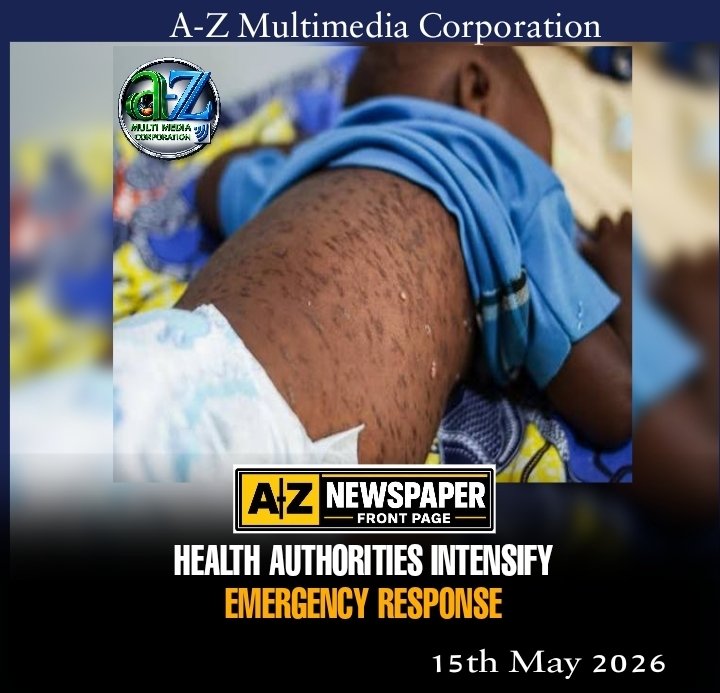
What began as isolated measles cases in January has now escalated into active community transmission, with Sierra Leone’s health authorities confirming 41 cases across eight districts within the past four months.
The National Public Health Agency (NPHA), in collaboration with the Ministry of Health, issued a public health alert on Tuesday, warning that the national measles test positivity rate has reached 75 percent. Western Area Urban, which includes Freetown, remains the hardest-hit district, recording 15 confirmed cases. The capital alone reported nine new infections in April, signaling a significant increase in transmission.
“Measles is a highly contagious viral disease spread through the air when an infected person coughs, sneezes, or breathes near others,” the NPHA stated. The agency warned that the disease can lead to severe illness and death, especially among young children, pregnant women, and individuals with weakened immune systems.
In response to the outbreak, health officials are urging the public to remain vigilant and seek immediate medical attention for symptoms such as high fever, red and watery eyes, runny nose, cough, and skin rash. Members of the public have been advised to call the toll-free emergency line 117 or visit the nearest health facility without delay.
Vaccination remains the primary line of defense against the disease. The Ministry of Health and the NPHA are encouraging parents and guardians to ensure that children receive the two free doses of the measles vaccine available at government health facilities nationwide. Officials emphasized that self-medication and traditional remedies are ineffective and warned families against relying on them.
To contain the outbreak, the government has deployed emergency field teams to Western Area Urban and other affected districts to identify, isolate, and manage cases. Ring vaccination campaigns are also being conducted around confirmed infections to interrupt transmission, while infection prevention and control measures are being reinforced at health facilities across the country.
Health authorities pledged to continue providing transparent updates as investigations and response efforts progress.
“There is no cause for panic,” said Brig. Gen. Prof. Foday Sahr, Executive Director of the NPHA. “Measles is preventable and treatable, and early medical care saves lives. We urge all communities to cooperate with health authorities and act promptly to protect their families.”
The public has also been advised to keep sick children at home and away from schools and crowded places, while reporting suspected cases immediately to health authorities. Officials say these preventive measures are critical to breaking the chain of transmission and preventing further spread of the disease.