

By: Abu H. Kargbo
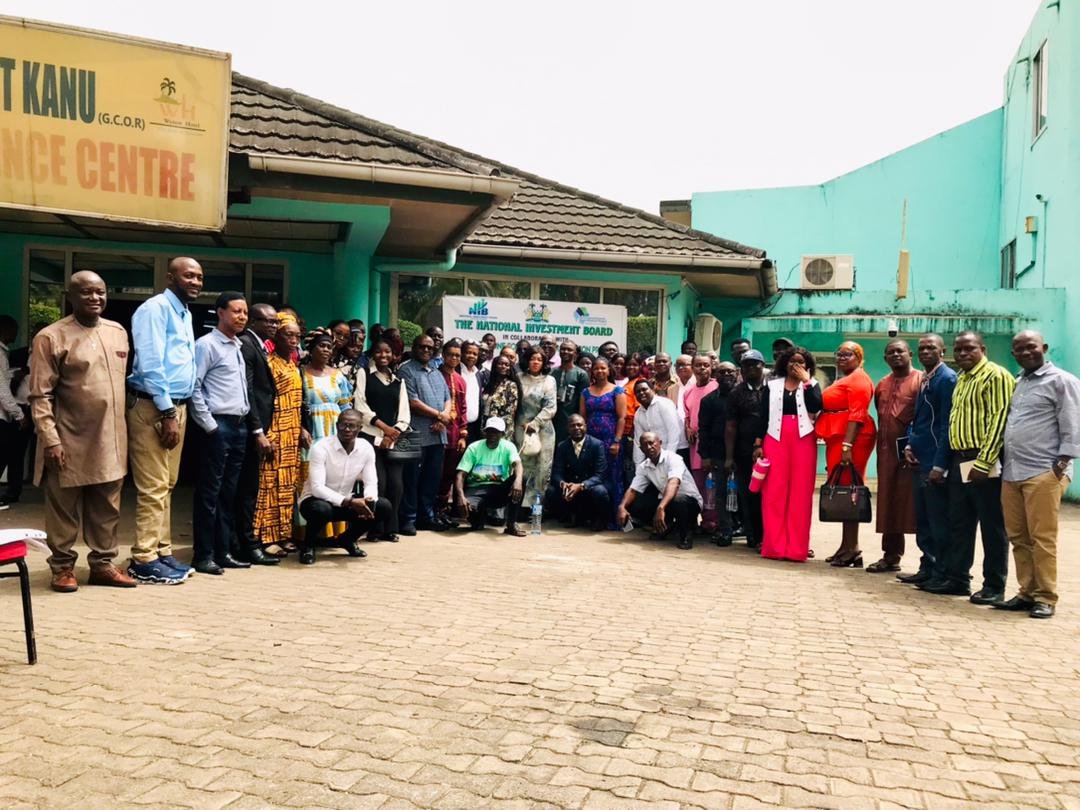
A highly participatory stakeholders’ engagement on the proposed Companies and Allied Matters Bill 2026 was held on Tuesday, February 17, 2026, at the Wusum Hotel in Makeni. The event brought together representatives from the seven districts in the Northern Region and Kono District in the Eastern Region.
The consultation was organised by the National Investment Board (NIB) in collaboration with the Sierra Leone Economic Diversification Project under the theme: “Enhancing the Business Environment through Legal Reform.”
Joe Gbonder, Director of Strategy at the National Investment Board, described the proposed legislation as a bold step in the institution’s ongoing reform agenda. He explained that the enactment of a comprehensive Companies and Allied Matters law would create a more enabling environment for businesses to register, operate, and expand.
According to Gbonder, the bill seeks to harmonise and rationalise Sierra Leone’s currently fragmented company laws. He emphasised that improved registration processes would lead to increased business formalisation, job creation, and sustainable economic growth.
Ibrahim Sorie Yillah, Esq., Managing Partner at Tejan-Cole, Yillah & Partners and Lead Consultant for the Companies and Allied Matters Bill 2026, stated that the stakeholders’ consultation represents the most informed approach among the four methodologies used in drafting the legislation.
He noted that a citizen-centred law would facilitate effective enforcement and ensure compliance. Yillah added that the proposed law aims to modernise Sierra Leone’s business sector by introducing digital registration systems and reducing bureaucratic bottlenecks.
He further stated that the reform would help minimise corruption, enhance transparency, and boost investor confidence. The proposed legislation, he said, is designed to promote fairness in the market while ensuring proper regulation of business activities.
Yillah also revealed that detailed regulations would accompany the law to address issues of non-compliance and strengthen enforcement mechanisms.
Dr. Mohamed M.B. Sisay, Chairman of the Bombali District Council, welcomed the digitalisation component of the proposed legislation. He expressed optimism that the creation of a strong, centralised business database would improve local councils’ capacity to generate own-source revenue.
Similarly, Haja Aminata Tarawallie, Chairlady of the Bombali District Traders Union, commended the digital reform initiative. She noted that the shift from manual to digital registration would address longstanding challenges faced by traders and business owners.
The consultation marked a significant step toward strengthening Sierra Leone’s legal and regulatory framework for business development and economic diversification.