

By: Aminata Sesay
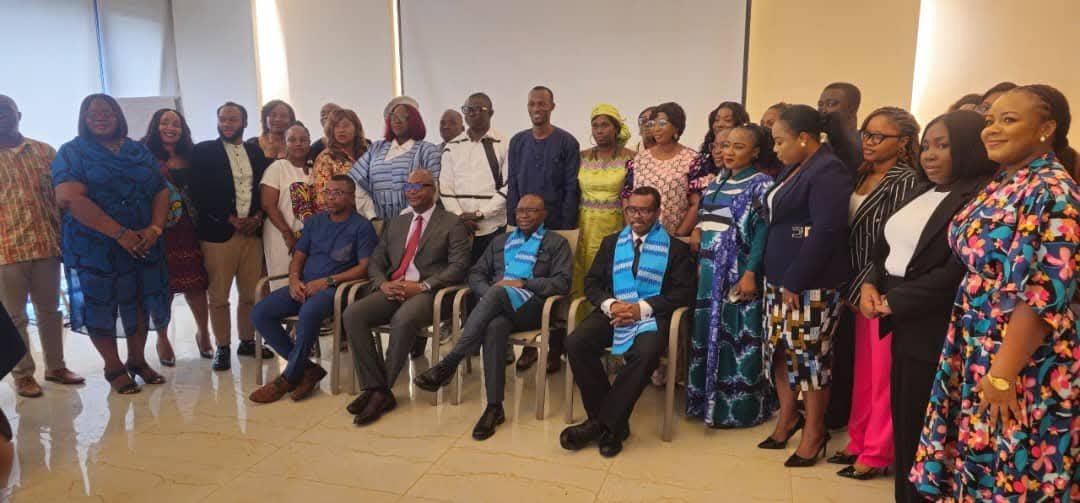
A high-level regional training course aimed at preventing violent extremism among women and youth was officially launched in Freetown, Sierra Leone. The Kofi Annan International Peacekeeping Training Centre (KAIPTC) unveiled the Women, Youth, Violent Extremism and Terrorism (WYVET) program during a ceremony held at the Country Lodge Complex, Hill Station.
The WYVET course is funded by the Government of Sweden and implemented in collaboration with the University of Sierra Leone. The initiative seeks to tackle the increasing vulnerability of young people and women to radicalization across West Africa. With Sierra Leone viewed as part of a region facing rising threats from violent extremism, the training aims to equip frontline actors with tools to build community resilience and promote sustainable peace.
Delivering the keynote address, Minister of Internal Affairs, Rtd AIG Morie Lengor Esq., described the initiative as a strategic intervention in Sierra Leone’s efforts to combat violent extremism. He stressed that peace must be homegrown, driven by the insights and leadership of local communities.
“This training deepens our understanding of the challenges and, more importantly, strengthens our united response,” he said. “It brings together critical sectors—security forces, civil society, academia, faith leaders, local authorities, and community-based organizations to forge a coordinated front against one of the region’s most dangerous threats.”
Minister Lengor expressed gratitude to the Government of Sweden for its continued support, and commended KAIPTC for placing women and youth at the center of the counter-extremism and peacebuilding agenda. He reaffirmed Sierra Leone’s commitment to regional cooperation in promoting peace, justice, and human security.
Air Commodore David Anetey Akrong, Commandant of KAIPTC, outlined the objectives of the WYVET course. He noted that women and youth are disproportionately affected by economic hardship, social marginalization, and political exclusion conditions that are often exploited by extremist recruiters.
He explained that the training is designed to equip participants with practical prevention tools, strengthen institutional collaboration, reinforce localized, community-led responses through partnerships like the one with Fourah Bay College.
Air Commodore Akrong also expressed concern over the spread of violent extremism into coastal West African nations, including Sierra Leone, urging for proactive intervention strategies.
Ghana’s High Commissioner to Sierra Leone, H.E. Dr. Senalor Kwabla Yawlui, also addressed the gathering. He applauded KAIPTC and the University of Sierra Leone for advancing regional stability through this strategic partnership.
“Defeating violent extremism is not the responsibility of governments alone,” he noted. “It requires trust, cooperation, and consistent engagement across all sectors of society.”
He encouraged participants to view the training not merely as a professional development opportunity, but as a foundation for action.
“Return to your communities not just with knowledge, but with a renewed commitment to peace,” he urged.
The WYVET course aims to develop a cadre of leaders and practitioners from diverse sectors who can recognize early warning signs of radicalization, promote inclusive, community-based solutions and foster peace and resilience within their local contexts.
The initiative represents a significant step forward in building cross-border collaboration to address one of West Africa’s most pressing security threats.