

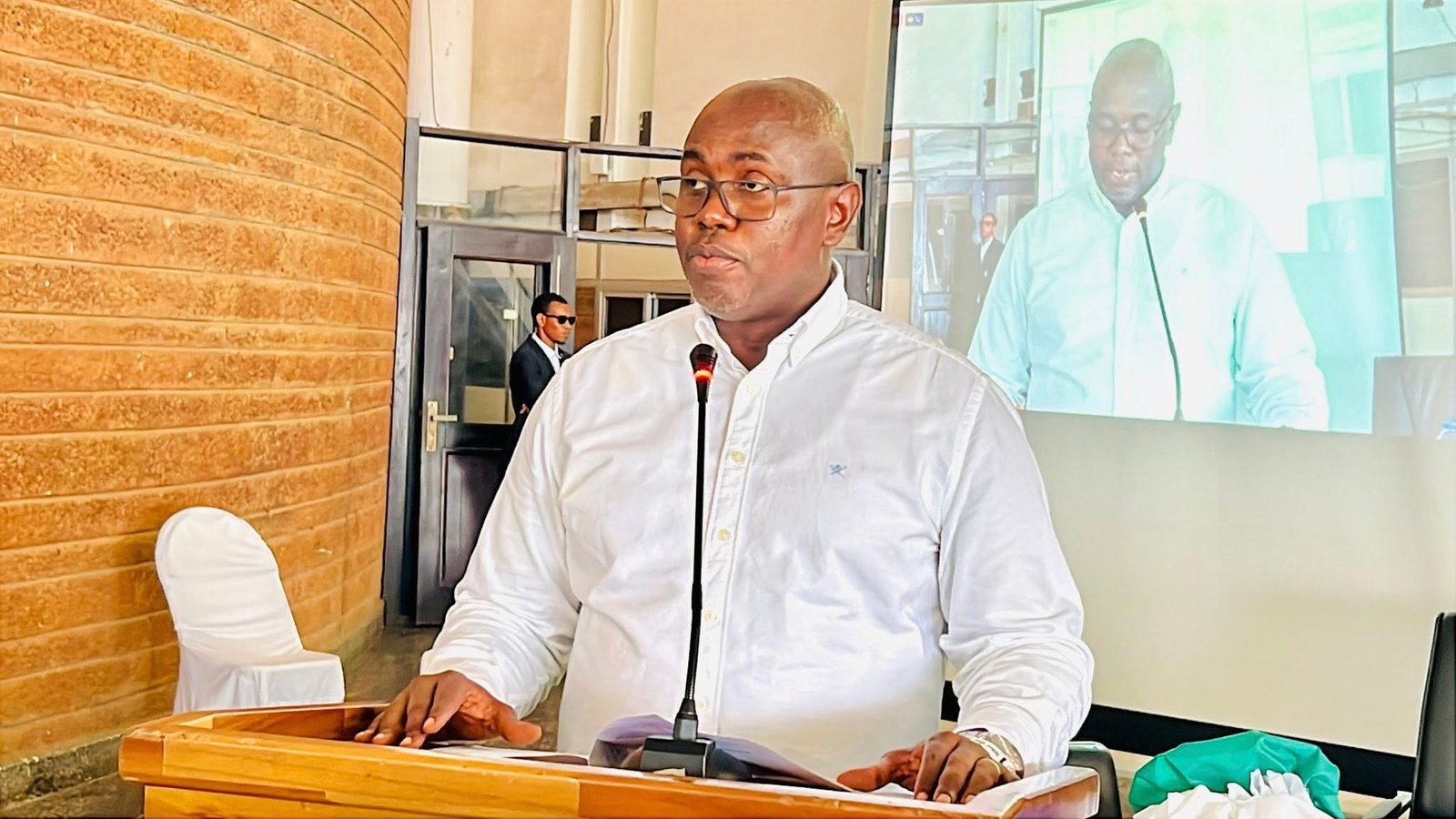
Rt. Hon. Speaker Segepoh Solomon Thomas attended the NGO-Parliamentary Dialogue, describing it as a vital step toward policy coherence aligned with President Julius Maada Bio’s national priorities On Tuesday, 24 February 2026. He emphasized that such engagement deepens the democratic process, recognizing that Parliament does not operate in isolation.
The Speaker reaffirmed that the dialogue enhances transparency and deliberate coordination between state institutions and non-state actors. He noted that sustainable national development requires institutional coherence, shared accountability, and participatory governance.
Highlighting Parliament’s constitutional mandate, he reminded attendees that the legislature is responsible for lawmaking, representation, and oversight, while NGOs serve as crucial development partners delivering services, empowering communities, strengthening accountability, and complementing state capacity across various sectors.
“The convergence of operational spaces between Parliament and NGOs makes structured dialogue not only desirable but necessary,” he said. Members of Parliament represent the very communities where NGOs implement development initiatives, making it imperative for MPs to understand the operational mandates, processes, and procedures of NGOs.
The Speaker emphasized that such inclusion enables MPs to perform their representative and oversight functions effectively, avoid duplication of efforts, and harmonize local development priorities with national legislative frameworks. “Development efforts should not be fragmented but coordinated, aligning with the nation’s development aspirations,” he said.
He also highlighted the need for NGOs to understand parliamentary processes, including legislative calendars, committee systems, and oversight mechanisms, to facilitate co-creation and better development outcomes.
Speaker Thomas stressed the importance of policy coherence, noting that aligning development interventions with national priorities ensures sustainability and impact. Parliament’s role in legislative oversight guarantees accountability, equity, and transparency in resource utilization.
“Let us use this forum to establish clear communication channels, define modalities for information-sharing, and consider periodic engagement between parliamentary committees and relevant NGOs,” he concluded. “Structured coordination platforms can significantly enhance development outcomes and legislative responsiveness.”