

By: Aminata Sesay
Disaster risk management stakeholders in Sierra Leone have renewed calls for stronger coordination and early planning as climate variability continues to pose increasing threats to communities across the country.
The call was emphasized during the monthly TAPILA Group Coordination Meeting held at the National Disaster Management Committee conference room in Freetown. The meeting brought together government institutions, technical agencies, and non-state actors to review emerging disaster risks and strengthen preparedness strategies.
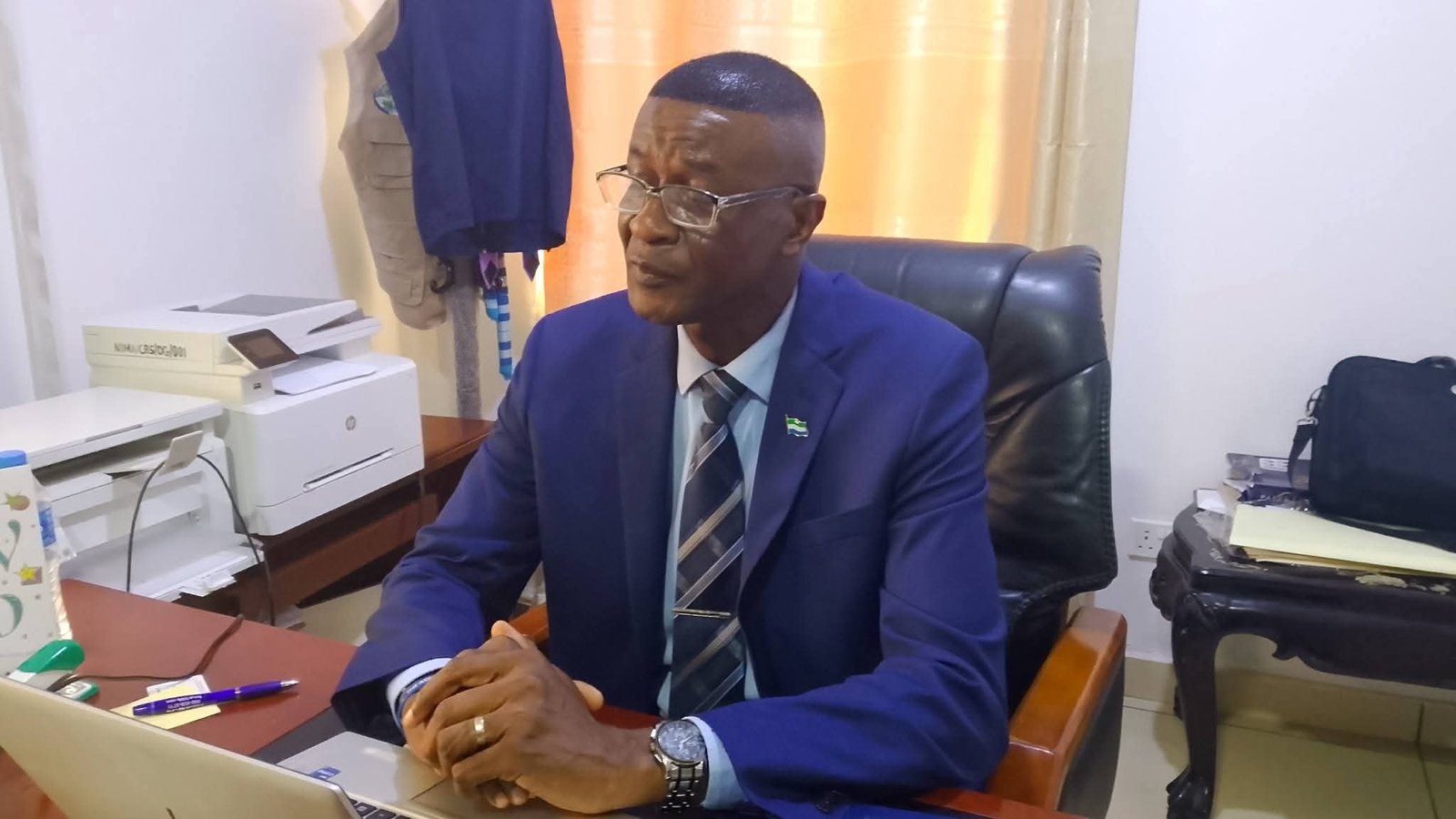
Speaking after the meeting, the Director General of the National Disaster Management Agency (NDMA), Mr. John V. Rogers, stressed that climate-related hazards particularly prolonged dry spells require the same level of attention traditionally accorded to floods and other rainy-season disasters.
According to Mr. Rogers, the TAPILA Group serves as a standing coordination platform that brings together all actors involved in disaster risk management to share information, align interventions, and enhance national preparedness.
“The essence of this platform is coordination. Disaster management is not the responsibility of one institution; it requires collective planning and action,” he said.
He explained that the coordination meeting, held on the last Thursday of every month, enables institutions to continuously assess risks and respond proactively to evolving climatic conditions.
A key focus of the latest session was a technical briefing by the Sierra Leone Meteorological Agency (SLMet), which provided updates on the current dry season and forecasts indicating the possibility of extended dry spells.
Mr. Rogers noted that dry spells are often underestimated but can have serious consequences for water supply, agriculture, food security, and public health.
“People tend to focus on floods, but dry spells can be just as devastating if we are not prepared,” he warned.
He emphasized that climate and weather data are now central to disaster risk management, as climate change continues to disrupt traditional weather patterns in Sierra Leone and globally.
“Sierra Leone is already experiencing the impacts of climate change, which means we must increasingly rely on science, data, and early warning systems to guide our decisions,” he said.
The NDMA Director General described SLMet as a key strategic partner, noting that timely and accurate forecasts allow disaster managers to plan effectively for both rainy- and dry-season hazards.
“With early information, we can issue advisories, mobilize institutions, and support communities before a situation escalates into a crisis,” he explained.
Mr. Rogers further highlighted that modern disaster management is shifting away from reactive responses toward prevention, preparedness, and risk reduction.
He concluded by urging institutions and the public to pay closer attention to climate information and to strengthen collaboration at all levels, emphasizing that preparedness remains the most effective way to reduce disaster impacts.
“When we work together and take climate information seriously, we can save lives, protect livelihoods, and build national resilience,” he said.