

By: Audrey Raymonda John
As Sierra Leone faces a surge of nearly 4,500 confirmed infectious disease cases within the past six months, experts are warning that the country’s health system remains dangerously underprepared.
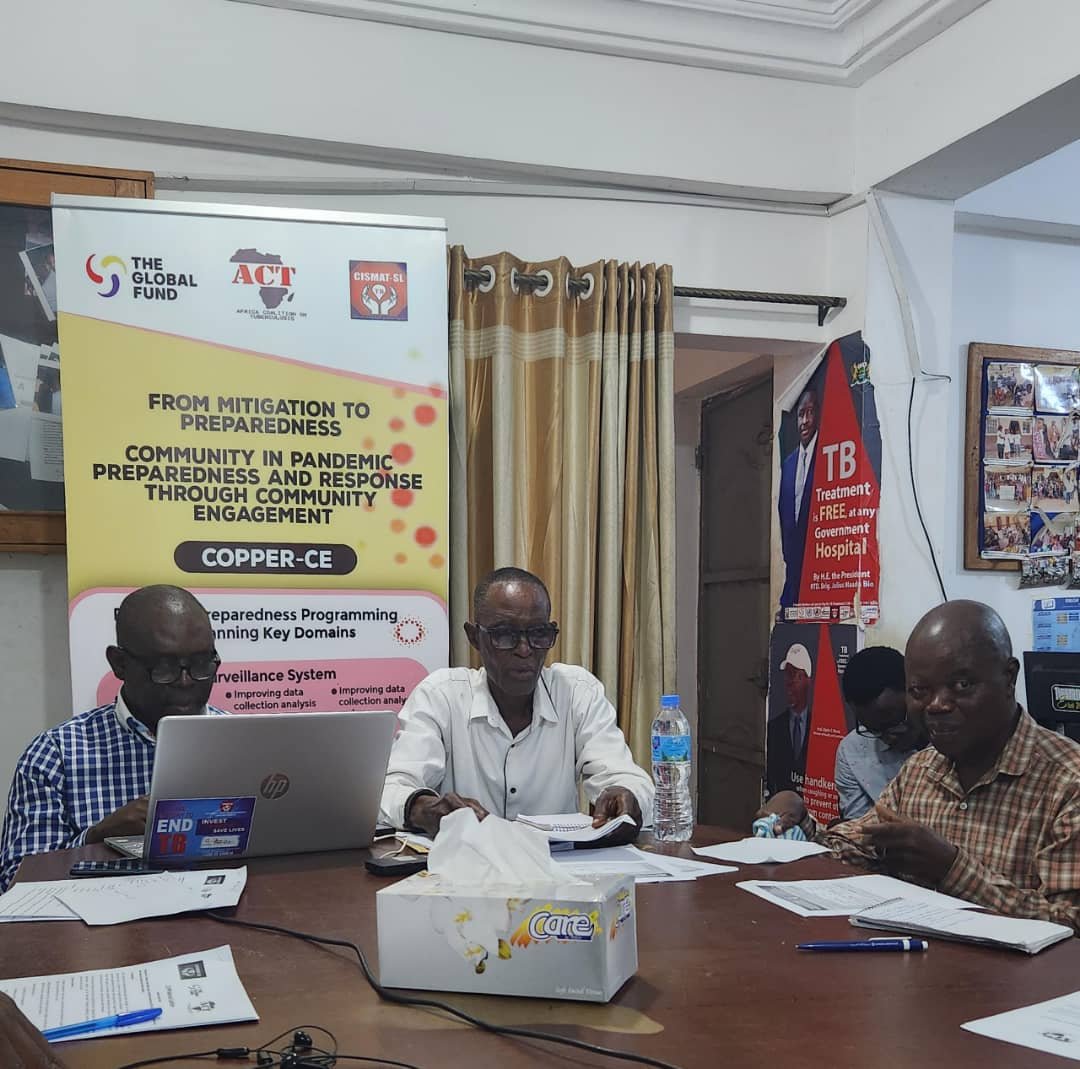
A new advocacy report from the CS PPR National Coalition highlights critical gaps in the nation’s pandemic response strategies, urging the government to adopt a more inclusive approach. This approach should prioritize the protection of vulnerable communities, uphold human rights, and ensure civil society is involved at every level of decision-making and service delivery.
The recent health crisis has exposed weaknesses in Sierra Leone’s health infrastructure, particularly the exclusion of marginalized populations—those living in remote and hard-to-reach areas from key health decisions. Despite the existence of legal frameworks like the Human Rights Act (2004) and the Gender Equality and Women’s Empowerment Act (2022), their implementation remains weak, especially during emergencies. This failure increases the risk of social exclusion, discrimination, and neglect of vulnerable groups, such as women, persons with disabilities, and minority populations.
The coalition’s report points out that current civil society efforts are fragmented, leading to duplication and inefficiency that hamper effective response. More alarmingly, there are no systematic mechanisms to prevent stigma or social harm during health crises. This exacerbates the marginalization of vulnerable groups and undermines public trust in the health system.
Reverend Paul Francis Bangura, National Director of CISMAT-Sierra Leone, stressed the importance of community resilience and early warning systems. “Communities suffer during pandemics; we need to prioritize prevention, build trust, and establish surveillance systems that protect everyone, especially the most vulnerable,” he stated.
International organizations, including the UN and the Global Fund, have long advocated for community-centered approaches to pandemic response—approaches that prioritize local participation and foster trust within communities. However, Sierra Leone’s current strategies fall short. Low community engagement and weak monitoring of human rights and gender considerations are hampering efforts to build a more resilient health system.
Dr. Johanese Bassie emphasized the need to amplify the voices of persons with disabilities, who face significant barriers in accessing health services. “We must listen to and address their needs, especially during emergencies, to ensure no one is left behind,” he urged.
Henry Ben Alpha, Program Manager of the Consortium for the Advancement of Rights of Key Affected Populations, called for better coordination among civil society organizations to effectively advocate for vulnerable groups in pandemic planning and response.
The coalition advocates for comprehensive reforms, including the establishment of mechanisms to report violations and stigma, embedding gender-responsive policies and budgets, and ensuring the meaningful participation of vulnerable groups in planning and implementation.
Recommendations also include formalizing two-way communication channels with communities, faith leaders, and traditional authorities, creating national coalitions to coordinate civil society efforts, and developing monitoring platforms to track progress on human rights, gender equity, and community engagement.
By integrating these reforms into its pandemic preparedness and the broader One Health framework, Sierra Leone can strengthen its health system, foster greater public trust, and align with international standards.
Such a strategic shift promises not only a more effective response to current health threats but also resilience against future crises.
As Sierra Leone stands at this critical juncture, embracing an inclusive approach to health emergency preparedness offers a pathway to protect all citizens, uphold human rights, and build a healthier, more equitable future for the nation.