

By: Fatmata Grace Okekearu – Bo City
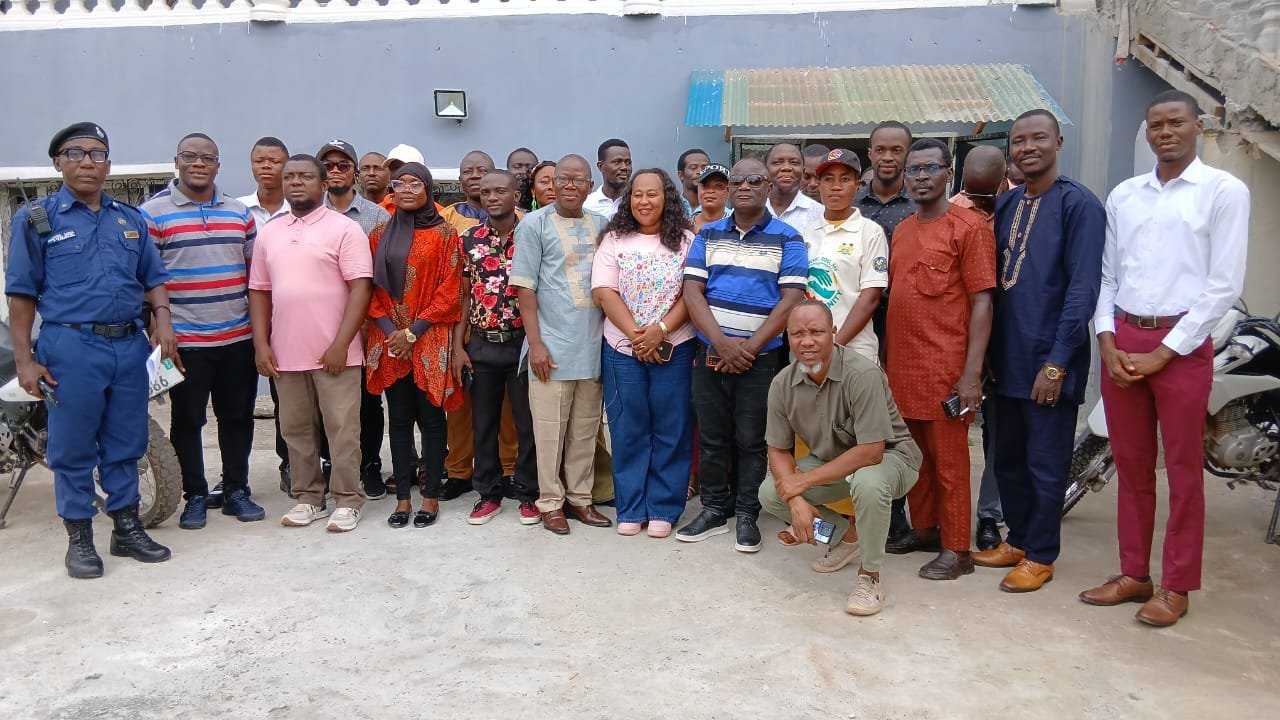
The Sierra Leone Meteorological Agency (SLMET), under the Ministry of Environment and Climate Change, convened a one-day national stakeholders’ consultation on Wednesday, 3rd December 2025, aimed at integrating climate change considerations into sectoral policies, programmes, and management plans across Sierra Leone.
The session, held at Unity Viewpoint along the Bo-Taiama Highway, was supported by the Agricultural Value-Chain Development Project (AVDP) as part of ongoing efforts to strengthen climate resilience nationwide.
The forum brought together representatives from key government institutions, non-governmental organizations, civil society groups, private sector entities, academia, and development partners*. Participants discussed climate vulnerabilities, sector-specific adaptation needs, and coordination mechanisms required for effective integration of climate change into national planning instruments.
Peter Roger, Head of the Climate Change Department at SLMET, highlighted the agency’s ongoing initiatives and adaptive strategies aimed at promoting safer climate practices across the country. He emphasized the importance of providing farmers with accurate knowledge of seasonal weather patterns and climatic variations to enhance agricultural productivity and sustainability.
Roger explained that the AVDP-funded consultation aimed to identify critical sectoral climate vulnerabilities and gaps in existing policies where climate change integration is urgently needed. He noted that the exercise would allow institutions to determine the data and technical requirements necessary to support Sierra Leone’s climate mainstreaming agenda.
He underscored the importance of stakeholder input, stating: “Your contributions are crucial to ensuring that this policy reflects Sierra Leone’s priorities and captures the realities within each sector.”
Roger assured participants that SLMET remains committed to a collaborative and inclusive process, which will result in a robust National Policy Framework for mainstreaming climate change into sector-specific programmes and management systems. He added that such collective efforts are essential for building a climate-resilient Sierra Leone capable of withstanding future environmental and socio-economic challenges.