

By: Fatmata Grace Okekearu -Bo City
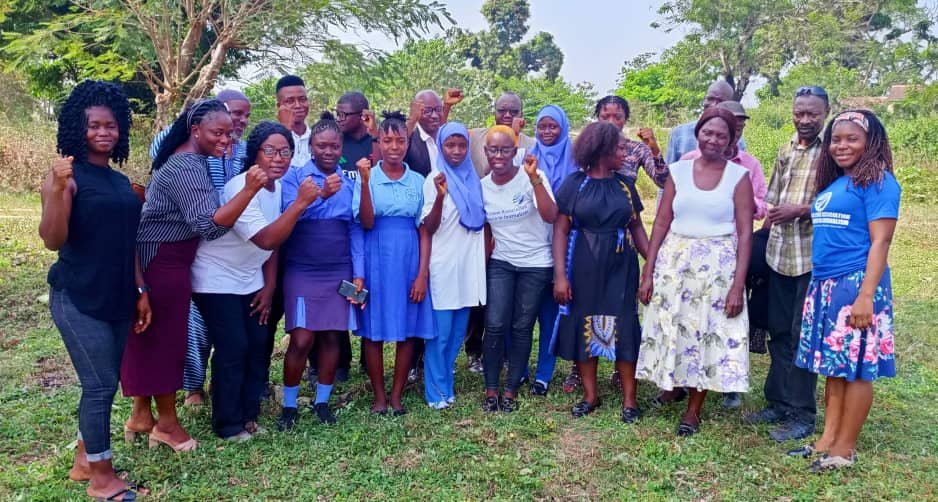
The Sierra Leone Association of Women in Journalism (SLAWIJ) has concluded a one-day roundtable engagement as part of the global commemoration of the 16 Days of Activism Against Gender-Based Violence campaign. Themed “Towards Beijing +30: UNiTE to End Gender-Based Violence Against Women and Girls,” the event emphasized the urgency of collaborative action to combat gender-based violence (GBV).
Held on December 4, 2024, at the Radio KISS 104.1 Hall in Bo, the engagement brought together key stakeholders from various sectors, including government representatives, civil society organizations, legal experts, human rights advocates, and youth networks. The gathering served as a platform to discuss strategies for addressing the persistent challenges of violence against women and girls in Sierra Leone.
In her opening statement, SLAWIJ’s Bo District Coordinator, Jannie Kamara, highlighted the critical role of the media in amplifying the fight against GBV. She stressed the importance of collective efforts, stating, “The contributions from this engagement will guide us in crafting a robust media campaign strategy targeted at diverse audiences, including government bodies, civil society, schools, communities, and parents. Ending gender-based violence requires the unified commitment of everyone, and the time to act is now.”
Reflecting on Three Decades of Progress
The theme, which aligns with the global review of the 30-year milestone since the Beijing Declaration and Platform for Action, underscored Sierra Leone’s ongoing struggles with GBV. Despite numerous efforts to eliminate violence against women and girls, the country continues to record alarming incidents.
Key speakers at the event provided insights into the state of GBV in Sierra Leone and offered recommendations for tackling the issue:
Mrs. Mamusu Senesie, SLAWIJ Southern Coordinator, underscored the critical role of female journalists in shaping public discourse and holding stakeholders accountable for implementing policies to protect women and girls.
Alhaji Mansaray, a representative from the Ministry of Social Welfare, called for stronger collaboration between government agencies and civil society to ensure that policies addressing GBV are effectively enforced.
Ibrahim Aziz Bundu, from the Legal Aid Board in Bo, highlighted the importance of accessible legal services for GBV survivors, emphasizing the need for public awareness of their rights and available support systems.
Betty Lissa, representing the Mano River Youth Network, spoke about the power of youth-led initiatives in driving cultural change and challenging societal norms that perpetuate violence against women.
Emmanuel Thomas, of the Human Rights Commission for the Southern Region, reiterated the importance of a human rights-centered approach to ending GBV, stressing accountability and justice for survivors.
Charting the way forward, the engagement concluded with a commitment from participants to strengthen partnerships and advocate for comprehensive interventions to address GBV. The resolutions included intensifying media campaigns to raise awareness, promoting gender-sensitive education in schools, and ensuring the enforcement of laws protecting women and girls.
As SLAWIJ leads the charge in fostering dialogue and action, this roundtable served as a reminder that achieving gender equality and ending GBV requires unwavering dedication. The event’s outcomes are expected to drive meaningful change as Sierra Leone and the world mark 30 years since the Beijing Declaration.
This comprehensive coverage showcases SLAWIJ’s dedication to fostering inclusive dialogue and taking concrete steps to eliminate GBV in Sierra Leone.