

December 13, 2021
Albert Baron Ansu
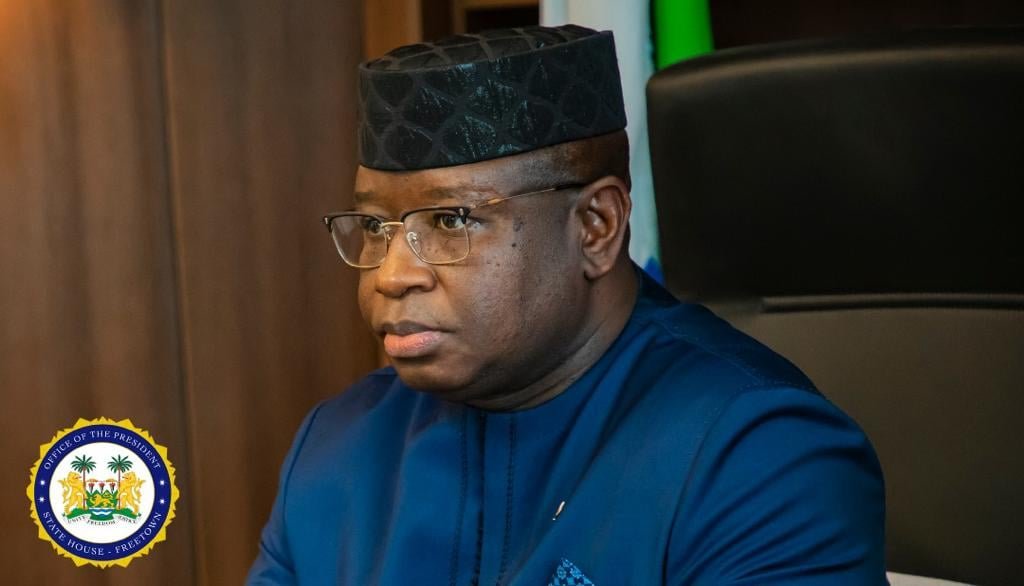
Sierra Leone, World Bank relationship continues to get better contrary to opposition minded interpretations of diversion of census resources. A December 9th 2021 press release from World Bank states that $60 million dollars from the bank has been disbursed to the government of President Bio towards quality essential health services.
A-Z has gathered that there is another 70 Million dollars grant underway before the close of the year.
According to the release this grant will help the Government of Sierra Leone build resilient, efficient, and equitable health systems for expanding coverage and utilization of essential health services and to reduce diseases and mortality of Serra Leoneans.
“The World Bank is happy to support this operation through additional financing to the Ministry of Health and Sanitation as it continues to improve -health services delivery in Sierra Leone by building on past projects to strengthen disease prevention, pandemic preparedness and response through an integrated approach at the district level,” said Abdu Muwonge, World Bank Country Manager for Sierra Leone. “It will help improve quality Essential Health Services (EHS) and increase utilization of health services and improve the health status of the population.”
The release adds: “Although life expectancy at birth in Sierra Leone increased from 39 years to 54 years between 1990 and 2017, it remains the fourth lowest globally. While Sierra Leone’s level of public health expenditures is about the same as that of comparator countries, it has one of the highest maternal mortality ratios in the world, at 717 maternal deaths per 100,000 live births. These challenges are compounded by the COVID-19 pandemic, which has slowed economic growth resulting in increasing debt and falling public revenues. The pandemic has also disrupted essential health services such as institutional deliveries, outpatient consultations and child vaccinations.”
COVOD 19 financing in is factored in the grant and this is explicitly stated in the press release: “As part of the new financing, $10 million through the GFF will specifically address the urgent challenges posed by the COVID-19 pandemic and will help integrate Sierra Leone’s public health emergency response and rollout of COVID-19 tools with the delivery of quality essential health services for women, children and adolescents in the most vulnerable districts.”
The release further states: “The partnership between the Global Financing Facility and the Government of Sierra Leone focuses on ensuring that the most vulnerable women and children can access the services they need amid the COVID-19 crisis, including rollout of COVID-19 tools and enabling surge capacity for the health workforce,” said Monique Vledder, Head of Secretariat, GFF. “The government’s commitment to restoring and accelerating progress on the health of women, children and adolescents is crucial to an equitable and resilient COVID-19 recovery.”
It adds: The Quality Essential Health Services and Systems Support project will support the implementation of an innovative approach to deliver health services at the district level, particularly for women and children Implemented through a Public Private Partnership. This approach arranges service delivery assets into a network consisting of an anchor health facility (hub), which offers a range of services, complemented by lower-level facilities (spokes) that offer limited services and refer patients who require more intensive services to the hub for treatment. The project will also invest in holistic primary health care systems focusing on equity, including upgrading infrastructure, equipment and supply of essential drugs and commodities, and improving health facility management to support among other outcomes, safe deliveries among pregnant women.
“The project is aligned with the GoSL’s National Development Plan 2019–2023, whose main objective is to accelerate human capital and transform the health sector into a well-resourced and functioning national health care delivery system that is affordable and accessible to all,” says Kofi Amponsah, World Bank Senior Health Economist and Task Team Leader. “The project will collaborate with sectors beyond health which have impact on health and nutrition outcomes, such as in water, agriculture, education, and energy for greater cross‐sectoral links and synergies”.