

By: Precious Miracle Kargbo (Snr)
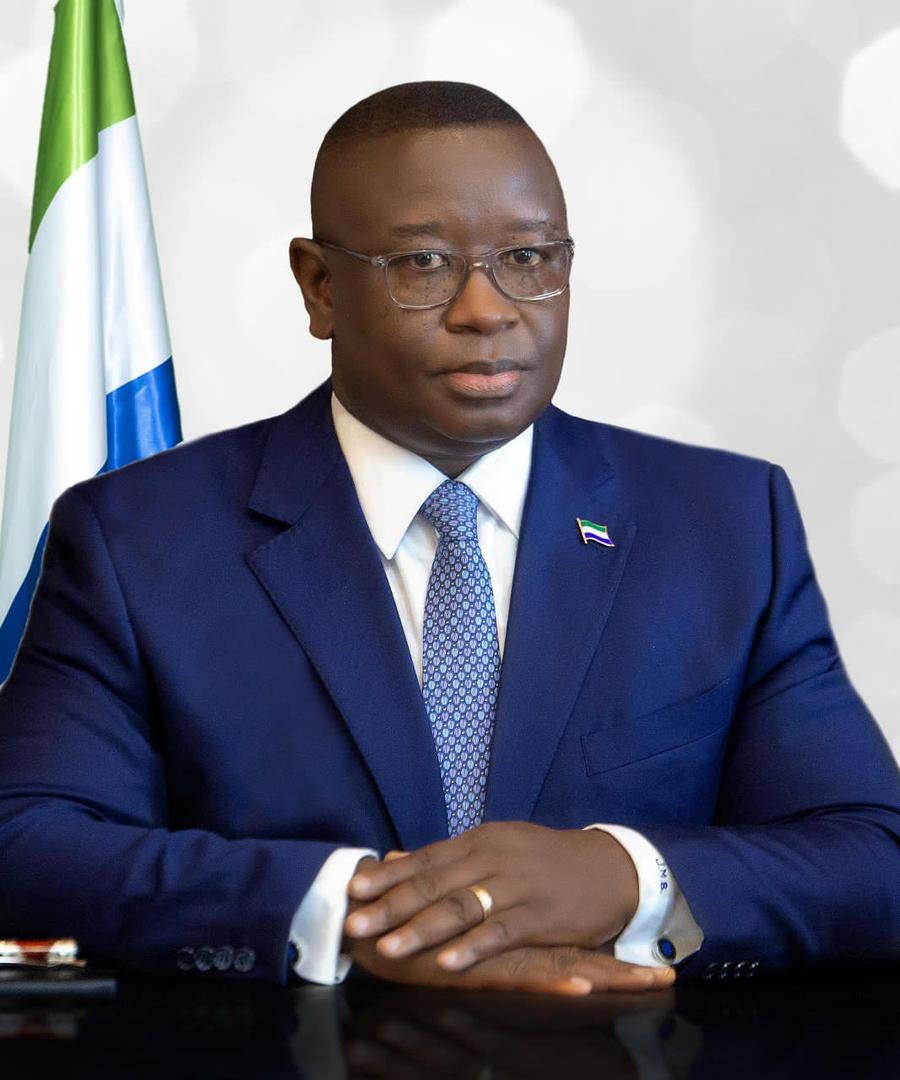
President Julius Maada Bio used his International Women’s Day address on 8 March 2026 to frame gender equality as both a moral duty and a national development imperative, stressing that rights, justice, and sustained action must reach all women and girls.
Delivering his remarks as Chair of the Authority of Heads of State and Government of the Economic Community of West African States (ECOWAS), the President set a tone that blended personal testimony, legal milestones, and a regional call for solidarity.
Opening with the global theme “Rights. Justice. Action. For ALL Women and Girls,” President Bio argued that dismantling barriers to equality requires more than declarations. He warned that discriminatory laws, weak protections, harmful practices, and entrenched social norms continue to deny women their full dignity and opportunities. He called for stronger efforts to defend rights, ensure access to justice, and sustain meaningful action.
The address also carried a deeply personal note. President Bio paid tribute to the women who shaped his life his late mother and elder sister and described himself as “a girl dad,” saying fatherhood has strengthened his resolve to protect and promote girls’ rights. He also referenced Sierra Leone’s National Remembrance Day, honouring women affected by the civil war those who lost their lives, endured violence and displacement, and later contributed to reconciliation and community rebuilding.
Highlighting government achievements, the President described the Gender Equality and Women’s Empowerment Act 2022 as a transformative legal milestone. The law guarantees at least 30 percent representation for women in elective and appointive positions. He noted that Sierra Leone now has the highest level of female representation in Parliament and public institutions in the country’s history.
President Bio also underscored provisions within the Act aimed at strengthening women’s economic empowerment, including equal access to employment, finance, land, and public procurement, as well as measures promoting equal pay.
On protection, he said the government has intensified enforcement against sexual and gender-based violence while expanding survivor-centred support systems. He declared unequivocally that violence against women is an injustice and a crime that “must end now.” The President also identified child marriage and discriminatory social norms as continuing challenges, while praising the Free Quality Education Programme for helping more girls remain in school.
Looking beyond national borders, President Bio used his role as ECOWAS Chair to call on West African leaders to recognise that sustainable peace, democratic governance, and regional economic integration depend on justice and equality for women. He urged men and boys to become HeForShe champions and appealed to traditional and religious leaders to support gender equality within homes and communities.
Concluding his address, the President pledged that Sierra Leone would continue working to translate legal gains into real-life improvements for women and girls. He emphasised that progress will require continued action, accountability, and strong partnerships to ensure that rights are protected, justice is delivered, and opportunities are expanded for current and future generations across Sierra Leone and the wider ECOWAS region.