

By: Saidu Jalloh
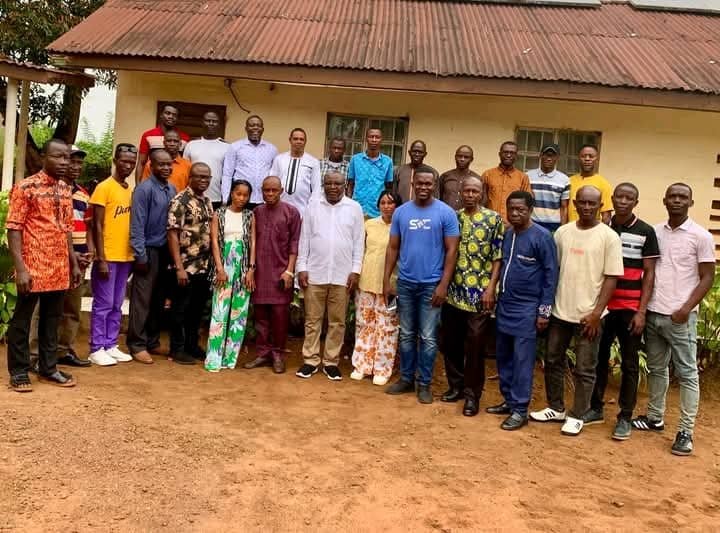
The Ministry of Technical and Higher Education (MTHE), in partnership with the United Nations Development Programme (UNDP), has successfully concluded a series of regional consultative workshops on the draft Competency-Based Industrial Plumbing Curriculum, aligned with Sierra Leone’s National Qualifications Framework (SL-NQF Levels 1–6). The final workshop took place in Port Loko District.
The workshops aimed to validate the draft curriculum, gather stakeholder feedback, and ensure that the proposed framework meets national labor-market demands.
Welcoming participants, Nyakeh Sama Banya, Deputy Director for MTHE in the Northern Region, emphasized that the initiative seeks to develop a skilled plumbing workforce capable of supporting Sierra Leone’s construction, water, and sanitation sectors. He noted that the curriculum would enhance youth employability and better align technical and vocational education with the country’s development priorities.
Moderating the session, Augustine Alie, Senior Education Officer at MTHE, explained that, with UNDP’s support, the ministry engaged a lead consultant and technical experts from seven industries over the past three months to draft the curriculum covering Levels 1 to 6. He stressed that national ownership of the curriculum depends on inclusive stakeholder engagement and encouraged participants to provide detailed technical input so the final version fully aligns with the National Qualifications Framework and can be implemented effectively.
Representing the National Council for Technical and Vocational Education (NCTVE), Public Relations Officer Oladapo Coulson Olowu highlighted that the nationwide consultations reflect the government’s commitment to national cohesion. He added that contributions from all regions are vital to developing a curriculum recognized both locally and internationally, enabling graduates to compete for jobs abroad without needing additional training.
Lead Consultant Ing. Alfred Abu outlined the curriculum-development approach, noting that Sierra Leone is transitioning from traditional teaching models to a competency-based system. He explained that the new framework emphasizes practical, hands-on training up to 80 percent at some levels supported by essential theoretical knowledge. He also noted that the National Qualifications Framework provides a structured pathway guiding learners through all six levels.
Delivering the keynote address, Dr. Josephus Brimah, MTHE’s Chief Technical and Higher Education Officer, observed that while Sierra Leone has a long tradition of academic education, the shortage of technical skills continues to limit the country’s capacity to add value to its natural resources. He stressed that national progress depends heavily on technically trained workers, reaffirming the ministry’s commitment to strengthening the technical and vocational education and training (TVET) sector.
Ing. Abu later guided participants through presentations on the session’s objectives, the National Qualifications Framework, principles of competency-based training, and the methodology behind the draft curriculum. Group discussions and presentations followed, allowing stakeholders to refine the document ahead of national validation.