By: Thaimu Bai Sesay
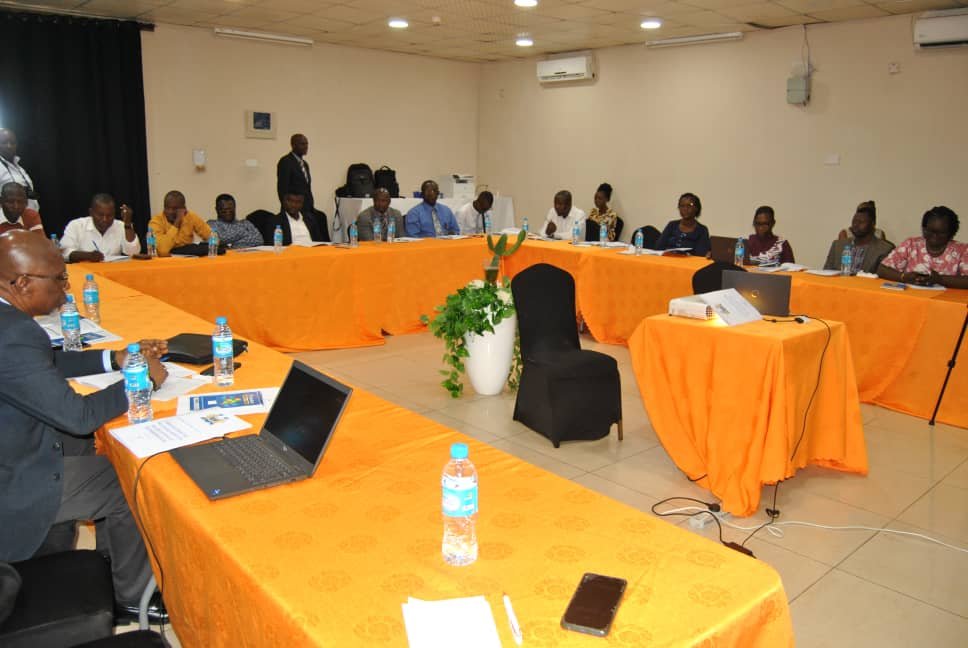
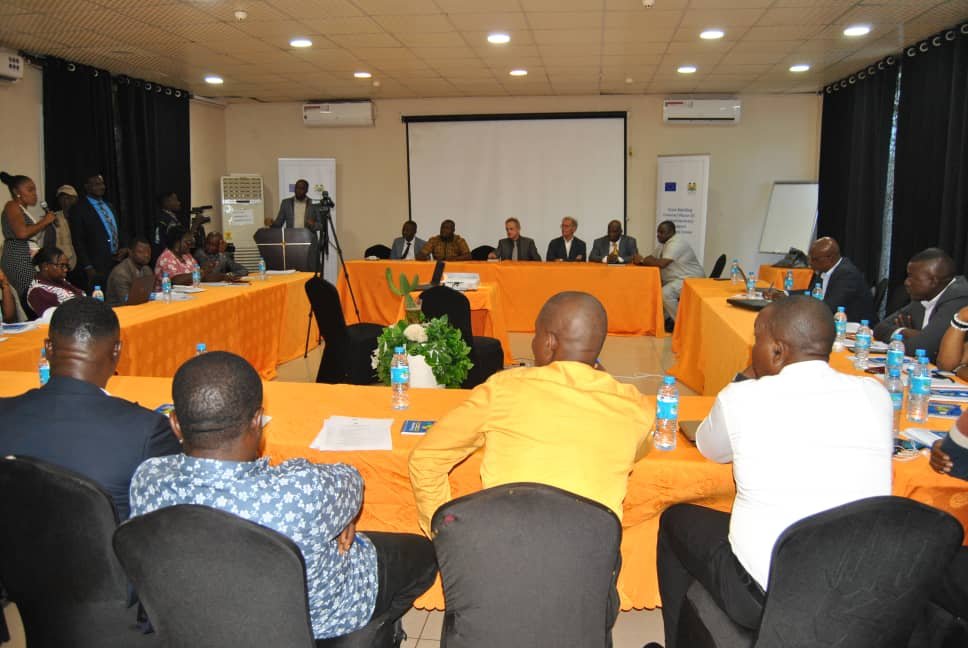
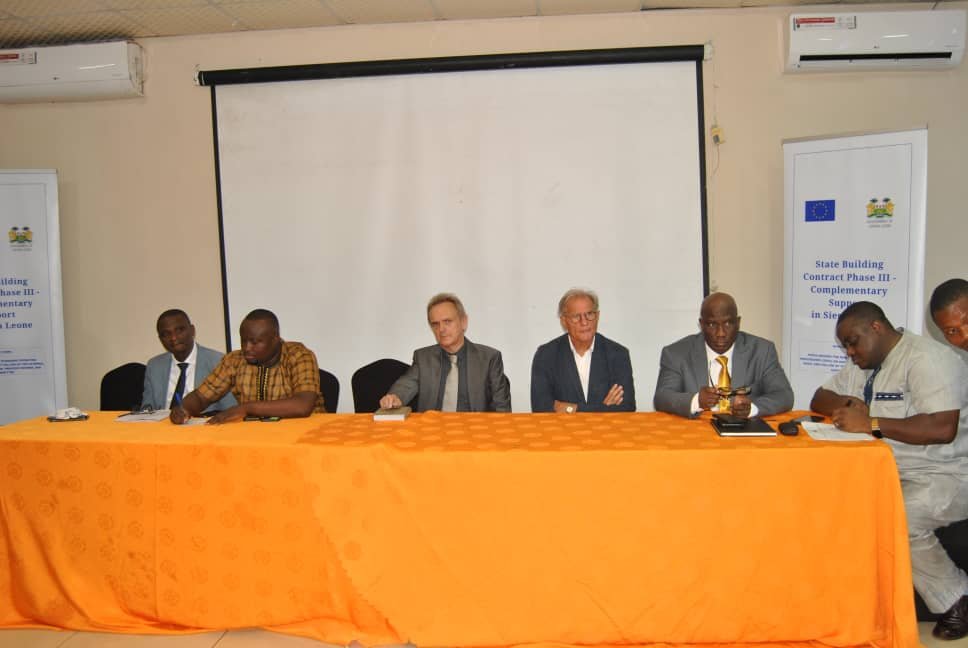
Funded by the European Union and the Government of Sierra Leone, the Ministry of Finance has on Monday 12th June 2023 kicked-start a three-day workshop training on popularizing the New Standard Operating Procedures (SOPs) on Audit Follow-up.
The workshop training was conducted for Heads of Internal Audit and Audit Follow-up Teams, Process Owners and Audit Committee at the Country Lodge Complex, 51 Hill Station, Freetown.
The Chairman of the Government Audit Committee, Dr. Claudius Williams Tucker revealed that the issuance of the audit report was not the end of the process but when the recommendations or findings in the report were acted upon. He further explained that the purpose of the document was to lay out procedures that would help reduce the reporting that goes into the annual audit report, and also ensure that after the external audit would be conducted the issues that would be raised during the course of that report were acted upon.
“Your roles mean that you have to be independent of the vote-controller and you have to ensure the findings are acted upon professionally. I have a very strong view that internal audit also means having some levels of independence because without independence you would not be able to perform your role…some of you suffer some kind of bully from the vote controllers but it’s a process and we hope we would get there one day”, Claudius explained.
The Government Audit Committee Chairman also expressed a strong belief that the Internal Audit Department should not be under the Ministry of Finance saying, “You cannot be the judge and jury in your own case.” He added that they would have to be independent so that they would be able to act upon and report upon issues responsibly, independently and professionally. Claudius implored all the relevant stakeholders involved not to allow the funding and the document to go to waste but should try as best as possible to make use of them and help with the governance at the risk management procedures of the Government.
The Director of Internal Audit at the Ministry of Finance, Kandeh Sesay gave a presentation on the objectives and scope of the Audit Follow-up Standard Operating Procedures. The Director recalled that the Ministry, with support from its partners, had last year developed a Standard Operating Procedures Manual on Audit Follow-up, based on successive audit reports indications that more needed to be done to achieve the levels of good practice, that would enhance fiscal discipline, strategic allocation of resources as well as efficient, economical and effective service delivery and accountability.
The Director explained that the Audit Follow-up SOPs were based on three primary objectives which were to determine the status of audit issues and suggest recommendations through the follow-up mechanisms, to confirm the implementation of the executive commitments, and analyze and disseminate audit follow-up information to improve the overall governance and accountability environment. He added that the Audit Follow-up SOPs would improve and clarify the audit follow-up processes to all relevant stakeholders and its implementation would strengthen the audit follow-up process.
On the scope, Kandeh clarified that the SOPs Manual covered all MDAs, Public Enterprises, Local Councils, etc. He proceeded that the SOPs Manual would cover audit findings and recommendations contained in both internal and external audit reports finalized and issued. “It will also cover the published reports issued by PAC/parliament on the external audit finalized report”, he added.
Explaining the roles and responsibilities of Auditors in the Follow-up Process, the Deputy Director, Internal Audit at the Ministry of Finance, Abdul Rahman Koromah defined the Audit Follow-up as the last phase of the audit process which would be undertaken to evaluate the adequacy, effectiveness, and timeliness of actions taken by management or responsible persons on reported findings and recommendations of auditors.
On the legal mandate, the Deputy Director quoted that section 75 (2) (d) PFM Act, 2016 required the Internal Audit to review the implementation of the Auditor General’s or other external auditor’s recommendations and further referenced that Regulation 151 (5) PFM Regulations 2018 equally supported the above section.
“The chief audit executive must establish a follow-up process to monitor and ensure that management actions have been effectively implemented or that senior management has accepted the risk of not taking action,” the Deputy Director of Internal Audit stated. He added that the system should provide a framework for tracking and monitoring the process of recommendation with the use of a software program, spreadsheet, or a system by internal auditors to track whether action plans were implemented according to the established timelines.