

The leadership of the Ministry of Health (MoH) has taken note of deeply disturbing reports circulating on social media regarding the death of a 30-year-old woman, Kadiatu Pompay Kamara, at the Kambia Government Hospital. The alleged circumstances surrounding her death have generated widespread public concern, prompting calls for accountability, transparency, and reform.
According to the reports, the deceased reportedly underwent a critical surgical procedure performed by a Community Health Officer (CHO) without supervision from a trained medical doctor. It is alleged that complications arose during the procedure that exceeded the CHO’s capacity to manage, ultimately resulting in the patient’s death. Further allegations suggest that the hospital may currently be operating without a trained medical doctor, leaving CHOs with limited experience to carry out surgical procedures, including caesarean sections.
The Ministry of Health extends its deepest condolences to the bereaved family and assures the public that a thorough investigation has been launched to establish the facts surrounding the incident. The Ministry emphasizes that any preventable maternal death is unacceptable and that all allegations will be carefully examined.
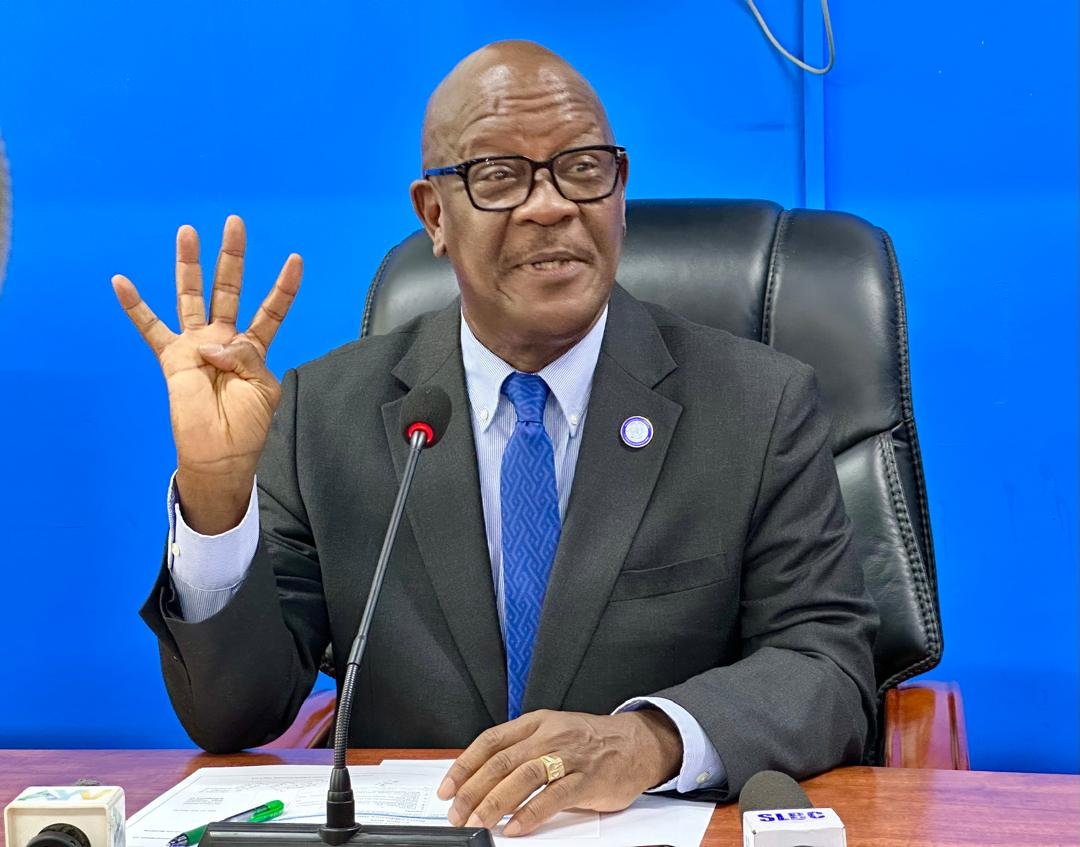
“Every time a life is lost, it is devastating. I extend my deepest condolences to the bereaved family. May she rest in peace,” said the Minister of Health, Dr. Austin Demby, upon learning of the incident.
While this tragedy is being fully investigated, the Ministry views it as a critical learning moment one that must result in meaningful improvements, not only for Kambia District, but for the outcomes of the 350,000 to 400,000 pregnancies recorded annually in Sierra Leone.
It is important, however, to recognize that the allegations reflect only a snapshot of a broader and evolving healthcare system in Kambia. The district is currently led by a Board-Certified Obstetrician-Gynaecologist (OBGYN) Medical Superintendent and one of the country’s leading District Medical Officers, Dr. Serah Conteh, who heads the District Health Management Team (DHMT).
In recent years, Kambia District has recorded notable progress, including a period of over 65 consecutive days without a single maternal death. Between 2024 and 2025, maternal deaths in the district declined by 28 percent, placing Kambia sixth nationally for lowest maternal mortality. These achievements provide important context for ongoing discussions and reforms.
Regarding the role of CHOs in surgical care, it is globally recognized that well-trained CHOs may perform minor surgical procedures as a stop-gap measure in areas facing severe shortages of medical doctors. However, such procedures must be conducted under strict supervision. Sierra Leone continues to expand its medical workforce, with over 120 resident doctors currently in training across multiple disciplines, including surgery an enormous improvement from five years ago when such capacity was minimal.
In addition, eight locally trained OBGYNs successfully passed the West African College of Surgeons examinations last year and are now practicing specialist surgeons in-country. “We are not there yet, but we are well on our way,” the Minister noted.
Understanding Sierra Leone’s healthcare journey requires a balanced view of both its challenges and its progress. The Ministry of Health has renewed hope in the sector through deliberate investments aimed at closing long-standing gaps and building a resilient, accessible, and quality health system aligned with national development priorities.
Fifteen years ago, Sierra Leone ranked among the most dangerous countries in the world for childbirth, with 1,165 maternal deaths per 100,000 live births in 2008. Today, that figure has declined by over 70 percent, to approximately 354 maternal deaths per 100,000 live births. These improvements reflect sustained investments in skilled midwives, improved health facilities, reliable electricity, oxygen supply, and essential medicines.
While progress has been made, the Ministry acknowledges that infrastructure alone is insufficient. Significant efforts are therefore being directed toward training fit-for-purpose health workers, particularly midwives. As a result, the proportion of skilled birth attendance has increased from 60 percent to 87 percent within a few years.
Nonetheless, the Kambia incident highlights broader systemic challenges. Sierra Leone currently faces a 91 percent unmet surgical need, with only 15 resident surgeons nationwide. This severe shortage continues to constrain access to safe surgical and emergency obstetric care key requirements for achieving Sustainable Development Goal 3 on maternal and neonatal health.
To address these challenges, the Government of Sierra Leone has committed to implementing the National Surgical, Obstetric, and Anesthesia Plan (NSOAP). This initiative aims to expand access to safe surgical care, particularly in underserved districts such as Kambia, through sustained investment, policy reform, and strengthened partnerships.
As government and health development partners continue to improve infrastructure, train personnel, strengthen systems, and enhance health governance, *community engagement remains a critical pillar of effective service delivery. While the recent tragedy in Kambia has cast a shadow of grief, it also serves as a catalyst for reform.
The Ministry of Health’s renewed commitment coupled with active community participation offers an opportunity to transform not only Kambia Government Hospital, but Sierra Leone’s entire healthcare system.