

By: Precious Miracle Kargbo (Snr)
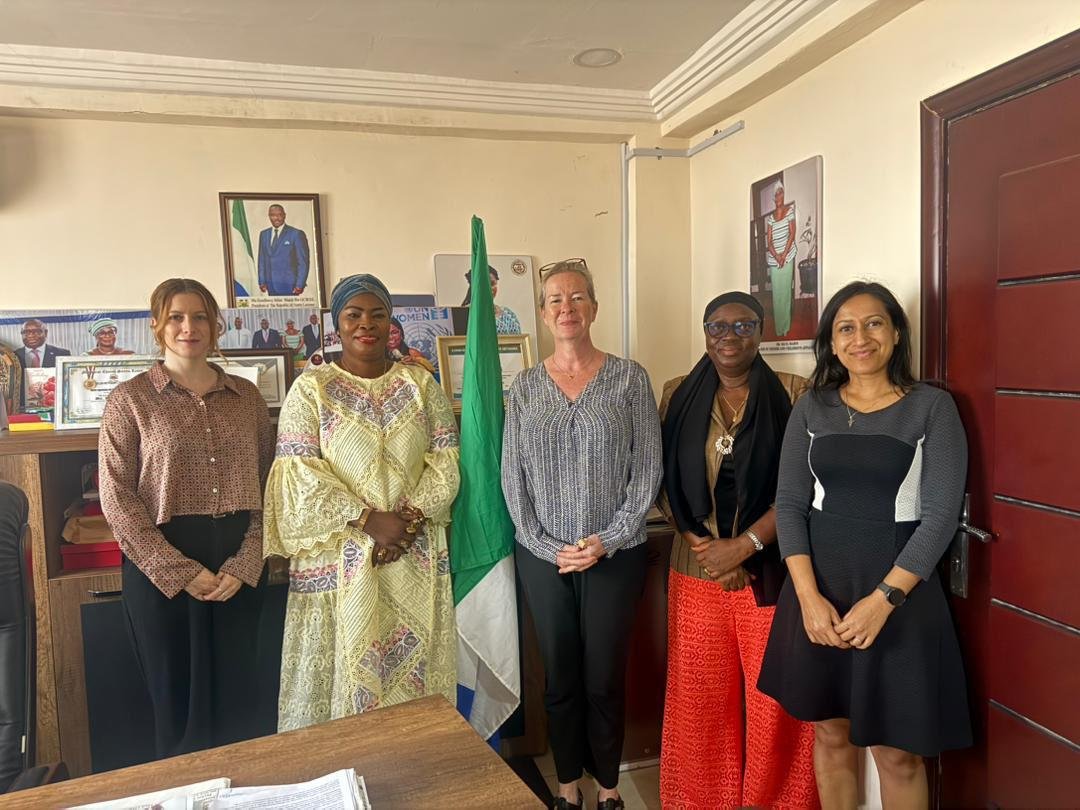
The British High Commission this week paid a courtesy visit to Sierra Leone’s Ministry of Gender and Children’s Affairs, reinforcing bilateral cooperation on child protection, women’s rights, and gender equality. The visit also reaffirmed support for the implementation of the Gender Equality and Women’s Empowerment Act.
Officials from the High Commission and the Ministry discussed practical measures to translate legislative progress into tangible outcomes for vulnerable women and children. Both sides emphasized that passing laws is only the first step; effective implementation, adequate resource allocation, and strong institutional capacity are essential to closing the gap between policy and practice.
The visit underscored the United Kingdom’s continuing role as a key development partner, particularly in providing technical assistance, capacity building, and programmatic support for family welfare, gender-responsive services, and child protection systems.
Among the key priorities identified were strengthening child protection mechanisms, including expanding social work capacity, improving case management systems, and enhancing community-level reporting pathways to ensure timely responses to abuse, exploitation, and neglect. Delegates also highlighted the need to increase access to gender-sensitive services such as safe shelters, legal aid, and psychosocial support for survivors of gender-based violence, while improving referral systems among health, justice, and social welfare agencies.
Both parties committed to accelerating the implementation of the Gender Equality and Women’s Empowerment Act through coordinated actions, including training for frontline officials, public awareness campaigns aimed at transforming harmful social norms, and the development of data systems to track gender-related outcomes. The High Commission reaffirmed its commitment to funding and technical collaboration for programs that promote women’s economic empowerment, including livelihood initiatives, entrepreneurship support, and efforts to enhance women’s political participation.
Civil society engagement and partnerships with grassroots organizations were highlighted as critical to ensuring that reforms reach marginalized groups, including rural women, adolescents, and persons with disabilities. Delegates called for inclusive consultation mechanisms that incorporate the voices of survivors and community leaders into program design and monitoring processes.
The visit also explored synergies with broader governance and rule-of-law initiatives, noting that the protection of women’s rights depends on strong institutions and accountable service delivery. The High Commission pledged continued dialogue and periodic reviews to monitor progress, while the Ministry of Gender welcomed joint efforts to prioritize clear implementation timelines and measurable indicators.
Observers believe the renewed partnership could accelerate the translation of Sierra Leone’s legal commitments into meaningful protection and expanded opportunities for women and children provided that sustained political will, predictable funding, and active civil society participation support the commitments made during the meeting.