

By: Aminata Sesay
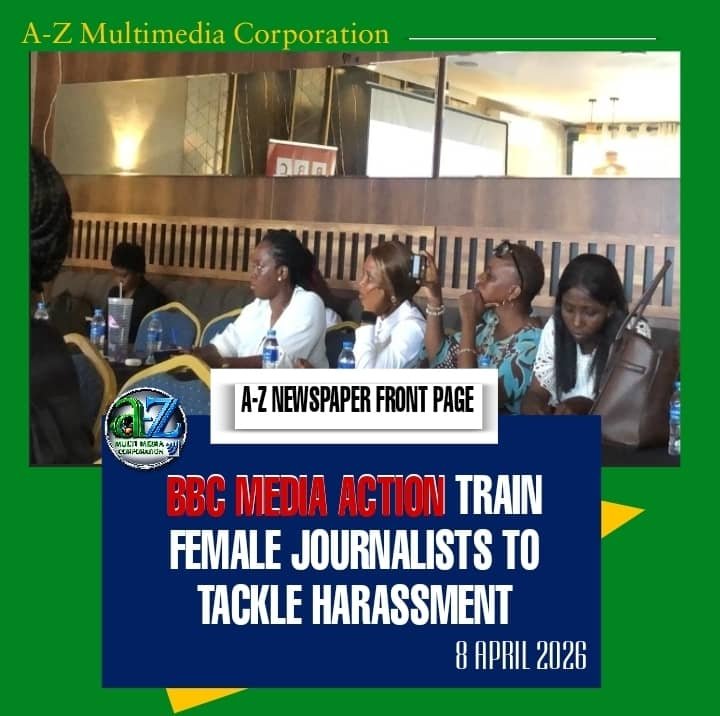
To create safer and more inclusive media spaces gained momentum as female journalists across Sierra Leone participated in a one-day training focused on addressing sexual exploitation, abuse, and harassment (SEAH) in the newsroom.
Organized by BBC Media Action, the session moved beyond awareness to action, equipping participants with practical tools to recognize, report, and respond to workplace misconduct. The initiative forms part of broader reforms under the National Action Plan aimed at tackling systemic gender inequality within the media sector.
The training comes at a critical time, following findings from a national report that revealed widespread experiences of harassment among female journalists often compounded by silence, stigma, and weak reporting systems.
Speaking at the event, representatives from BBC Media Action emphasized that the program is part of a sustained, long-term strategy rather than a one-off intervention. They stressed that empowering women in the media is essential to strengthening the integrity and credibility of journalism as a whole.
Discussions during the training highlighted deep-rooted challenges, including the underrepresentation of women in leadership and the persistence of exploitative practices that hinder career growth. The Vice President of Women in Media Sierra Leone, Mabinty Kamara, underscored the urgency for change, noting that unsafe working conditions have forced many talented women to leave the profession.
Participants engaged in interactive sessions that clarified the distinctions between sexual exploitation, abuse, and harassment terms often misunderstood but critical for identifying violations. Facilitators also addressed harmful misconceptions, reinforcing that responsibility lies solely with perpetrators, not victims, and that delayed reporting does not diminish the validity of a survivor’s experience.
Beyond raising awareness, the training placed strong emphasis on building support systems within media institutions. Plans are underway to introduce confidential reporting channels, alongside access to legal and psychosocial support for affected journalists.
As the session concluded, participants expressed a shared commitment to applying the knowledge gained and advocating for safer newsroom environments. Stakeholders believe that sustained efforts like this will play a crucial role in reshaping the media landscape into one that is fair, respectful, and inclusive for all.