By: Precious Miracle Kargbo (Snr)
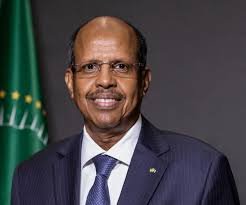
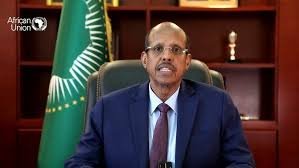
The Chairperson of the African Union Commission, H.E. Mahmoud Youssouf Ali has welcomed a joint decision by the heads of state of Guinea, Liberia, and Sierra Leone to pursue a peaceful, diplomatic resolution to recent border tensions, pledging the AU’s support as the Mano River countries move to revitalize regional cooperation.
The decision followed a high-level tripartite summit convened in Conakry on 16 March 2026, where leaders of the three West African states agreed to prioritize dialogue and diplomatic channels in addressing lingering disputes along their shared borders. In a press statement, Mr. Youssouf Ali said the outcome aligns with AU normative frameworks, notably the Constitutive Act (2000) and the AU Non-Aggression and Common Defence Pact (2009), and represents a significant step toward stabilizing the Mano River region.
“The Chairperson highly commends the governments of Guinea, Liberia, and Sierra Leone for their collective decision to choose the path of dialogue,” the statement said, applauding the “spirit of cooperation, good neighbourliness, and commitment to regional stability” demonstrated by the three countries. The AU described the agreement as a strong example of African-led solutions delivering sustainable conflict prevention and resolution.
The Chairperson also acknowledged the constructive roles played by the Economic Community of West African States and international partners in facilitating engagement, noting that coordinated regional and global diplomacy contributed to the peaceful outcome. The AU added that lessons from the tripartite process could serve as a model for resolving other border disputes across the continent.
A key outcome of the summit is the commitment to convene a Mano River Union summit within one month to relaunch regular high-level dialogue on peace, security, and development. The AU welcomed this timeline, noting that revitalizing the MRU will provide a structured platform for sustained cooperation on cross-border issues, including security coordination, humanitarian access, trade, and joint development initiatives.
The Commission’s statement emphasized that the agreement strengthens the foundation for sustainable peace and creates enabling conditions for socioeconomic development in border communities, areas historically vulnerable to instability. By choosing diplomacy over military escalation, the three governments aim to reduce the risk of conflict and create space for joint responses to shared challenges such as illicit trafficking, forced displacement, and disputes over natural resources.
The AU reiterated its readiness to support the three countries in consolidating these gains and implementing follow-up measures. This support may include technical assistance for mediation, capacity building for cross-border institutions, and coordination with ECOWAS and other partners to ensure the effective implementation of agreed confidence-building measures.
Observers have welcomed the development as a positive step toward regional stability. Analysts note that revitalizing the MRU and institutionalizing regular dialogue will be critical in preventing future tensions and promoting cooperative solutions that link security with shared development goals.
The Chairperson concluded by reaffirming the AU’s commitment to African-led, peaceful dispute resolution and to supporting member states in stabilizing border regions through dialogue, cooperation, and collective action.