

By: Fatmata Grace Okekearu, Bo City
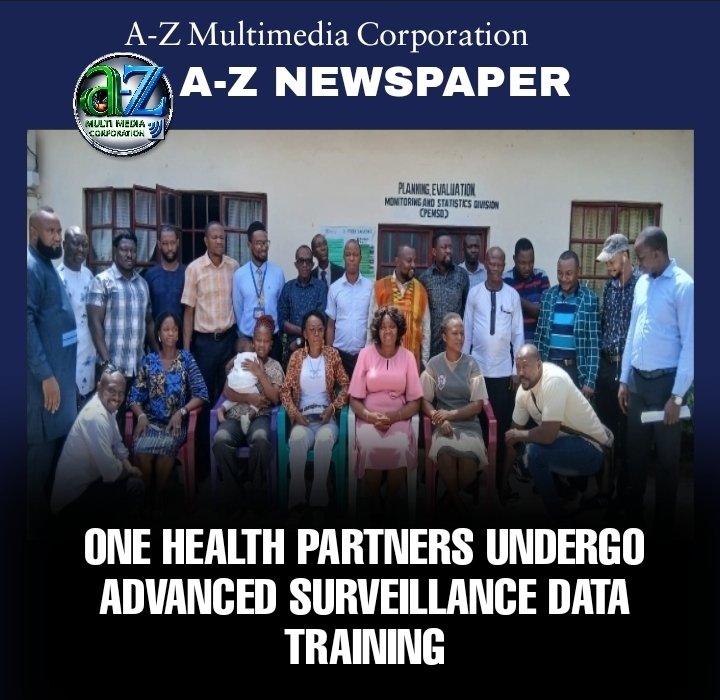
The Livestock and Veterinary Services Division of Sierra Leone’s Ministry of Agriculture and Food Security has commenced a five-day intensive training on Advanced Surveillance Data Analysis for One Health partners in Bo. The initiative aims to strengthen the country’s preparedness and response to disease outbreaks.
The training, which began on Monday, April 13, 2026, is being held at the Ministry’s Conference Hall along the Bo–Taiama Highway. It brings together key stakeholders from the Ministries of Health, Environment and Climate Change, and Agriculture and Food Security under the One Health framework.
Delivering the opening remarks, Mohamed S. Bah, International Health Regulations Coordinator and Head of the Pandemic Fund Project Implementation Unit within the Livestock and Veterinary Services Division, highlighted the importance of the initiative. He explained that the World Bank-supported Pandemic Fund project is designed to strengthen surveillance systems in developing countries, while also improving laboratory capacity and workforce readiness for effective service delivery.
Reflecting on global health challenges, Bah recalled the impact of the COVID-19 pandemic, which disrupted economies and exposed vulnerabilities in health systems worldwide. In response, he noted, the World Bank established the Pandemic Fund to address financing gaps and support countries particularly low- and middle-income nations in strengthening public health systems.
According to Bah, Sierra Leone has received a total of 20 million United States dollars under the One Health Fund initiative, with the Livestock and Veterinary Services Division directly implementing 4.5 million dollars of that support.
He further emphasized that the training is specifically designed to build participants’ technical capacity in advanced data analysis, enabling them to detect early warning signs of potential disease outbreaks and respond promptly.
Bah underscored the importance of data-driven decision-making, noting that effective data analysis allows professionals to communicate clearly with policymakers and guide evidence-based interventions, particularly in the management of animal health surveillance data.
The training is expected to strengthen collaboration among One Health partners and equip participants with the skills needed to forecast and mitigate future public health threats, thereby contributing to both national and global health security.