By: Precious Miracle Kargbo (Snr)
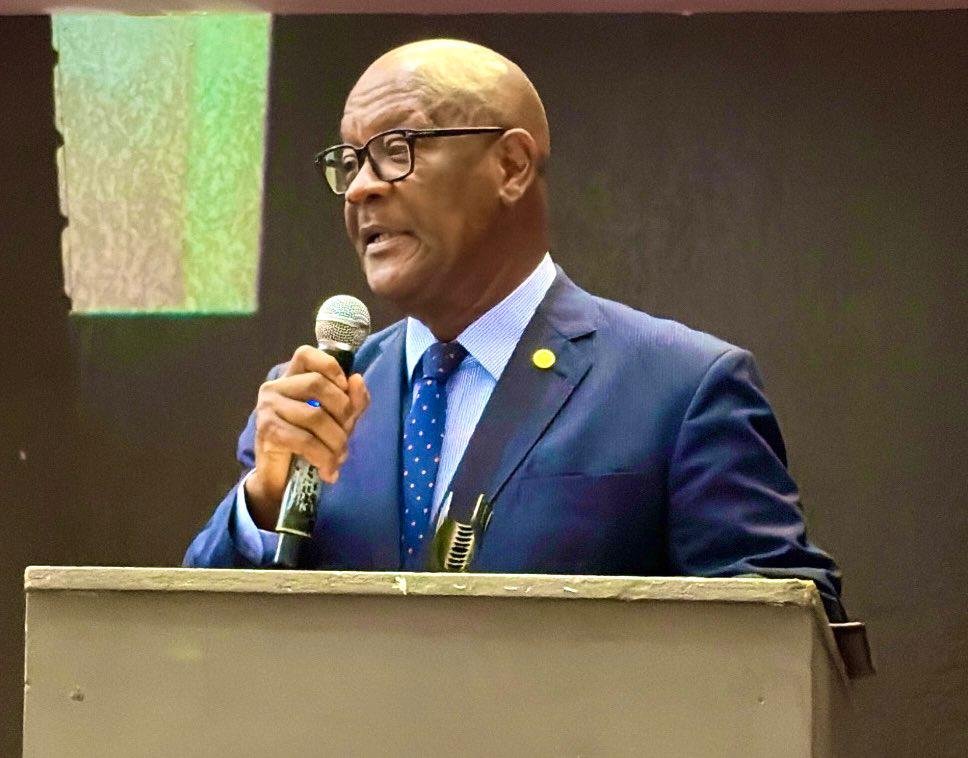
The Ministry of Health and Sanitation convened the 2026 National Health Retreat, where the Minister of Health, Dr. Austin Demby, made a passionate appeal to development partners to move beyond remote support and join frontline health workers in the “300 Days of Activism for Mothers and Babies” campaign.
Addressing donors, United Nations agencies, non-governmental organizations, and district health managers, Dr. Demby emphasized the importance of direct engagement in improving maternal and newborn healthcare services across Sierra Leone.
“This is our hospitals, our clinics, our mothers,” the minister said, urging partners to work closely with ministry teams and witness the realities faced by healthcare workers and patients in health facilities.
The retreat featured first-hand accounts from midwives, community health nurses, and district health officials. They shared stories of mothers traveling long distances through the night to access care, neonatal emergencies arriving at facilities without adequate oxygen supply, and overstretched health workers striving to maintain services despite limited resources.
These testimonies formed the basis of the ministry’s call for stronger collaboration, urging partners not only to provide funding but also to actively participate in field activities and support health teams at the facility level.
Dr. Demby also encouraged development partners to align their programmes with the ministry’s national priorities and focus on interventions that can quickly improve maternal and newborn survival. Key areas highlighted included increasing antenatal care coverage, improving skilled birth attendance, strengthening emergency obstetric care services, and expanding newborn resuscitation efforts.
He further stressed the need for flexible funding mechanisms that allow resources to be quickly redirected to underperforming districts identified through the ministry’s real-time monitoring systems.
During the retreat, ministry officials and partner representatives worked together to develop district-level action plans with clearly defined responsibilities, timelines, and measurable indicators linked to the 300-day campaign targets. Each plan includes designated ministry focal persons and partner roles to ensure effective implementation.
Ministry leaders also emphasized the importance of accountability through joint supervision visits, mentorship for facility staff, and transparent progress reporting so that communities can see tangible improvements in healthcare delivery.
Participants discussed several operational challenges affecting maternal and newborn health services, including frequent shortages of oxygen and essential medicines, weak referral systems, and persistent staffing gaps.
In response, development partners agreed to pilot pooled financing mechanisms for emergency obstetric supplies and provide targeted technical support for neonatal resuscitation and midwife training programmes.
Civil society organizations also called for the introduction of community scorecards and participatory monitoring tools to strengthen transparency and accountability. The ministry welcomed the proposal and committed to supporting its implementation.
By highlighting the voices and experiences of frontline health workers, Dr. Demby framed the partnership with development agencies as a shared responsibility to protect the lives of mothers and newborns.
“We need partners who will walk the wards with us, not just write cheques,” a district health manager said.
As the 300-day campaign progresses, the Ministry of Health and Sanitation expects partners and donors to engage more directly with health facilities, support healthcare workers, and translate commitments into concrete, life-saving outcomes for mothers and babies across Sierra Leone.