

By: Aminata Sesay
Medical practitioners, prosecutors, and investigators have called for stronger collaboration between Sierra Leone’s health and justice sectors to improve the investigation and prosecution of sexual and gender-based violence (SGBV) cases.
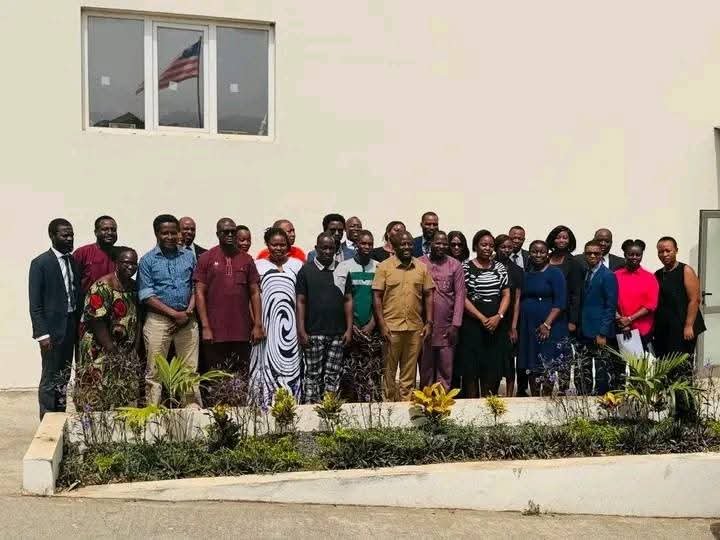
The call was made during a medico-legal engagement held in Freetown on Friday, organized in collaboration with the Rainbow Initiative. The meeting brought together professionals from the health and legal sectors to explore practical strategies for improving coordination in the handling of SGBV cases.
Participants emphasized that addressing sexual and gender-based violence requires a coordinated national response involving healthcare providers, law enforcement agencies, prosecutors, and social protection institutions.
Facilitators at the engagement highlighted the critical role medical practitioners play in documenting injuries, collecting medical evidence, and providing expert testimony that can significantly influence court outcomes in SGBV cases.
“In many instances, the medical report becomes one of the strongest pieces of evidence in court,” one facilitator noted, emphasizing the importance of accurate and professional documentation.
In Sierra Leone, where forensic laboratories and specialized investigative facilities remain limited, the expertise of frontline medical professionals is often essential in supporting criminal investigations and prosecutions.
Discussions during the engagement focused on strengthening the link between clinical services and the justice system to ensure that medical evidence gathered during the examination of survivors is properly documented, preserved, and clearly interpreted for investigative and judicial purposes.
Participants also underscored the importance of building the capacity of healthcare workers to understand medico-legal standards, including proper injury documentation, chain-of-custody procedures, and the preparation of medical reports capable of withstanding legal scrutiny in court.
Representatives from the justice sector noted that closer cooperation among prosecutors, investigators, and healthcare professionals could help address gaps in evidence management, improve prosecution outcomes, and enhance accountability for perpetrators.
The meeting also reaffirmed the commitment of stakeholders to maintain regular dialogue and technical collaboration between the health and justice sectors.
Organizers expressed optimism that sustained cooperation and knowledge-sharing will strengthen Sierra Leone’s capacity to deliver justice for survivors while reinforcing national efforts to prevent and respond to sexual and gender-based violence.
The engagement forms part of ongoing initiatives by national institutions and civil society partners to strengthen survivor-centered services and ensure that perpetrators of sexual violence are held accountable under the law.