By: Aminata Sesay
Sierra Leone’s commitment to strengthening its food systems and protecting vulnerable communities has received a significant boost through two major initiatives focused on school nutrition and sustainable agriculture.
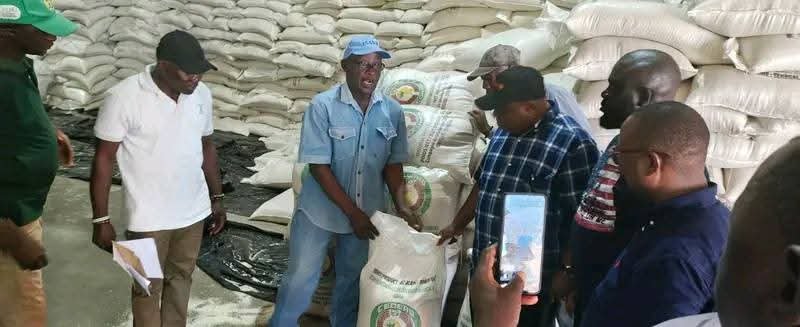
In Bo City, the Economic Community of West African States (ECOWAS) delivered 350 metric tons of rice to support the country’s national school feeding programme. The rice was officially handed over by the Ministry of Agriculture and Food Security to the Ministry of Basic and Senior Secondary Education, reinforcing cross-sector collaboration aimed at improving child welfare and educational outcomes.
This donation represents more than emergency food assistance. It strengthens a system designed to increase school attendance, improve classroom concentration, and enhance academic performance particularly among children in underserved communities. By investing in school feeding, Sierra Leone continues to address educational access and nutritional security in a coordinated and sustainable manner.
Officials emphasized that structured school feeding programmes are proven social protection tools. Beyond improving enrolment and retention, they also stimulate local agricultural value chains by creating stable demand for food commodities. With clear accountability mechanisms in place, authorities reaffirmed their commitment to ensuring efficient and transparent distribution to schools nationwide.
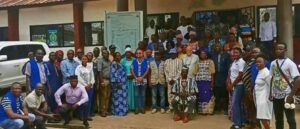
Meanwhile, in Pujehun Town, attention shifted to long-term agricultural transformation with the launch of the €11.2 million Sustainable and Climate-Friendly Palm Oil Project. The initiative is funded by the European Union and implemented by the Food and Agriculture Organization (FAO).
The project signals a strategic move toward climate-smart production and environmentally responsible agribusiness development. By promoting sustainable palm oil practices, strengthening farmer cooperatives, and expanding access to domestic and international markets, the initiative aims to increase productivity while safeguarding ecosystems.
Central to the project is the empowerment of smallholder farmers particularly women and youth through technical training, improved agronomic practices, and comprehensive value chain support. Environmental safeguards are embedded within the programme to ensure that expansion in palm oil production aligns with global sustainability standards and climate resilience principles.
Together, these interventions reflect a multi-layered development strategy: protecting schoolchildren today while building a greener, more competitive agricultural sector for the future. Through regional cooperation and international partnerships, Sierra Leone continues to advance inclusive growth, strengthen food security, and improve rural livelihoods in an increasingly climate-vulnerable world.