

By: Precious Miracle Kargbo (SNR)
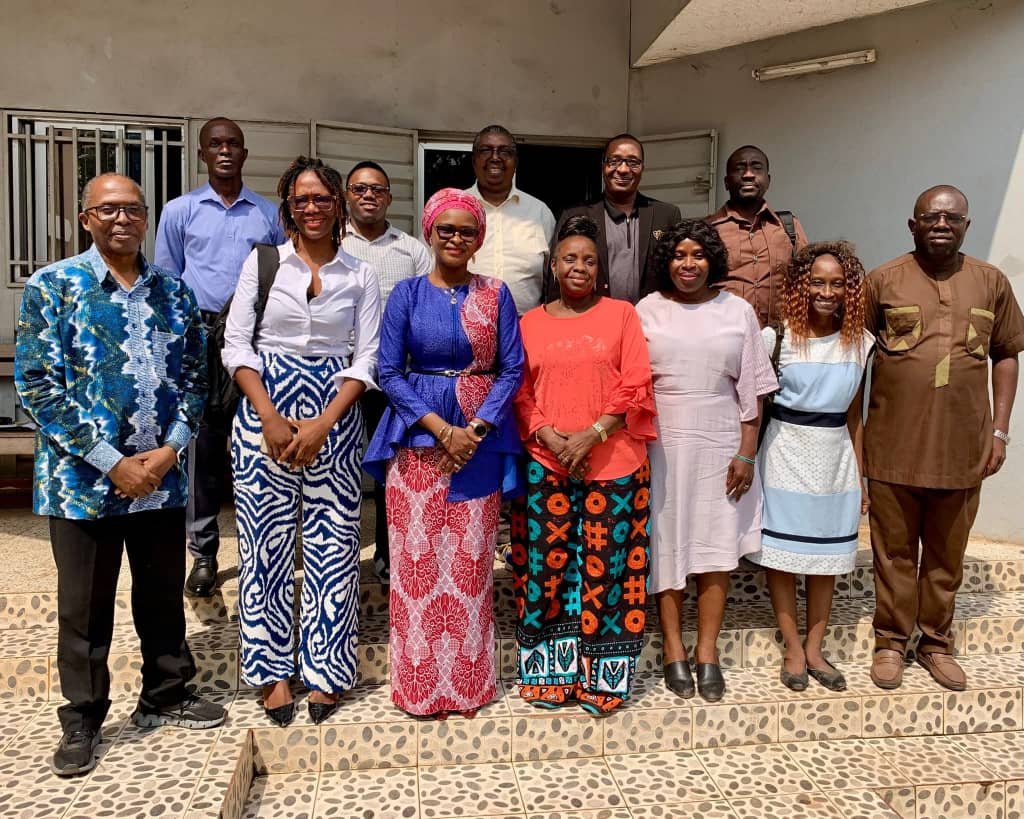
On February 2, 2026, the Ministry of Technical and Higher Education (MTHE), in collaboration with the National Science, Technology and Innovation Council (NSTIC), convened a national review session to evaluate five locally funded research projects supported by the African Centre for Technology Studies (ACT).
As the projects approach their final phases, the session was aimed at assessing their progress, outcomes, and potential impact on Sierra Leone’s socio-economic development.
The review brought together senior government officials, researchers, and principal investigators from universities and tertiary institutions across the country. Opening the session, Fatmata Kaiwa, Director of Science Education at MTHE, explained that the ACT grant was secured to promote a broad range of research initiatives, including a youth-led technology project. She noted that this focus reflects an inclusive approach to innovation, ensuring that research extends beyond senior academics to actively involve young people.
Ms. Kaiwa further disclosed that the projects had already undergone international evaluation by the Association of African Universities (AAU) and were now being subjected to a local assessment.
“These presentations provide the Ministry with direct insight into the projects’ progress, challenges, and tangible impacts,” she said.
One of the standout presentations was delivered by *Dr. Darlinda Jiba, who focused on Chronic Pulmonary Aspergillosis (CPA), a fungal lung infection often misdiagnosed as tuberculosis (TB). Dr. Jiba revealed that out of 400 patients assessed in regional hospitals, 63 tested positive for CPA, indicating that nearly 16 percent of patients treated for TB had been misdiagnosed. The findings underscored the urgent need for improved training of healthcare workers to better identify fungal infections, which remain largely underdiagnosed in Sierra Leone.
Demonstrating the country’s growing innovation capacity, Emmanuel Kamanda presented an artificial intelligence (AI)-powered education platform designed to support learning in low-connectivity environments. The platform addresses challenges such as limited internet access and varying learning paces among students. Already piloted in over 20 schools, it offers personalized learning experiences that function offline, incorporates gamified learning methods, and provides examination preparation tools. The project aims to scale nationally in partnership with the Ministry of Basic and Senior Secondary Education and development partners.
The session also featured the “Cook Quick Stove,” an innovation by Engineer Sheriff Kamara, designed to enhance cooking safety while reducing harmful emissions. Kamara emphasized that the stove was developed using a user-centered design approach, incorporating community feedback to promote acceptance and long-term use.
Responding to the presentations, the Minister of Technical and Higher Education, Dr. Haja Ramatulai Wurie, commended the researchers for addressing critical national challenges through science and innovation. She described the CPA study as particularly compelling and called for stronger collaboration with the Ministry of Health to enhance diagnostic capacity and training.
The review session concluded with a renewed commitment from MTHE and NSTIC to support ongoing research initiatives, mobilize additional funding, and ensure that scientific evidence informs national policies and practices. As Sierra Leone continues to strengthen its research and innovation agenda, the emphasis on practical, real-world applications is expected to play a vital role in advancing national development.