

By: Aminata Sesay
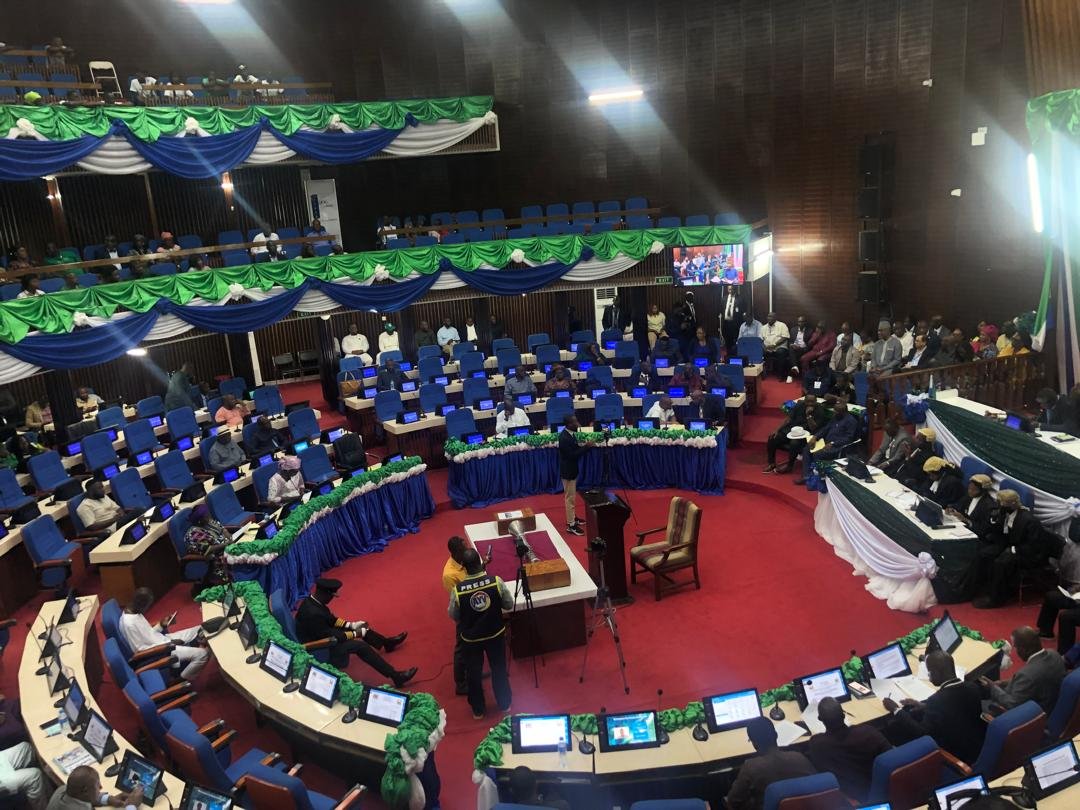
Parliament has concluded its debate on the 2026 Appropriation Act, wrapping up three days of intense exchanges that revealed both political divisions and shared concerns over Sierra Leone’s economic direction on Friday 5th December 2025.
The Bill, focused on boosting domestic revenue to sustain national development, drew mixed reactions from MPs across the House. Opposition members warned of rising hardship, while government MPs insisted the budget reflects ongoing progress.
On the final day of debate, several opposition MPs argued that the budget places additional pressure on struggling households. Hon. Catherine Zainab Tarawally described the Feed Salone initiative as unrealistic without adequate equipment for farmers. She objected to proposed increases on imports such as tomatoes and maggi and called for better wages for teachers. Opposition Whip Hon. Abdul Karim Kamara claimed that 80% of the 2025 budget had remained unfulfilled, citing high food prices, water access challenges, and increases in fuel and cement costs. He criticized delayed disbursements to councils and urged rehabilitation of key roads, including the Tom Pari road. Hon. Aaron Aruna Koroma echoed these concerns, arguing that starving councils of funds means starving the people, and asserted that the 2026 budget “brings more hardship than relief.”
Other opposition voices raised doubts about the budget’s coherence and priorities. Hon. Dr. Sorie Unpha Koroma argued that the document does not align with its stated objectives and urged the government to redirect resources to critical needs instead of allocating “huge chunks” to certain offices. Acting Leader of the Opposition Hon. Daniel Brima Koroma warned that excessive foreign travel and the maintenance of numerous embassies were draining state resources. He called for cost-saving measures, stronger focus on public welfare, and condemned the rise in drug abuse among youths.
In contrast, government MPs defended the budget as balanced, realistic, and geared toward long-term national gains. Hon. Neneh Lebbie urged lawmakers to approach debates with patriotism and highlighted improvements in electricity supply across several districts. Hon. Moses Edwin described the budget as pro-poor, citing rising life expectancy and improved access to basic services. Hon. Quintin Salia-Konneh emphasized that Sierra Leone had achieved single-digit inflation for the first time in 22 years, crediting the government’s shift toward internal revenue generation.
Hon. Wuyata Bernadette Songa, President of the Parliamentary Female Caucus, pointed to progress in the health sector, including higher vaccination rates, solar-powered hospitals, and increased oxygen availability nationwide.
Closing the debate for the ruling side, Finance Committee Chairman Hon. Kekura Vandy praised President Bio’s economic team for stabilizing what he described as an economy previously “in shambles.” He highlighted taxation, mineral resources, and road users’ charges as key revenue pillars and defended the President’s international engagements, saying diplomatic travel has brought tangible benefits. He commended the recruitment of 14,000 teachers and advancements in renewable energy while urging MPs to discourage misinformation.
Responding to MPs, Minister of Finance Sheku Ahmed Fantamadi Bangura applauded the Speaker’s enforcement of accountability among government institutions and addressed concerns surrounding debt servicing, revenue mobilization, and exchange rate fluctuations.
He defended the tax measures and assured arliament that the wage bill remains manageable. Describing the budget as both pro-poor and pro-people, he urged Sierra Leoneans to trust the government’s fiscal direction, emphasizing that the budget reflects responsible governance focused on balancing development goals with the country’s financial realities.