

By: Aminata Sesay
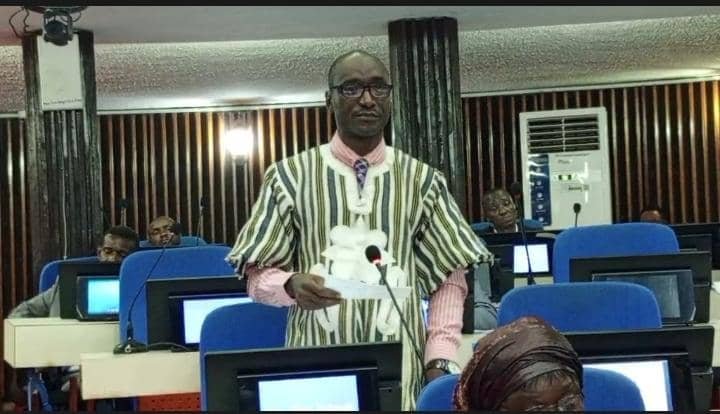
Hon. Musa Fofanah has delivered a strong defence of the 2026 Finance Act during parliamentary deliberations, stating that the document represents a technically sound and data-driven national development strategy aligned with global economic trends.
Referencing page 36, paragraph 157 of the budget, he addressed concerns raised by some MPs regarding financing for ongoing road construction projects. He highlighted that multilateral development partners including the African Development Bank (AfDB), BADEA, and the Islamic Development Bank are expected to disburse US$544.6 million for key road projects. This support, he explained, operates alongside the government’s own financing efforts.
He emphasized that the budget is anchored on two major pillars: donor support and direct government contributions. “If you say government is giving special money to SLRU, you need to understand what this budget is talking about,” he said, stressing the coordinated nature of the financing approach.
Turning to the global economic outlook, Hon. Fofanah cited paragraph 9 on page 3, which projects a slowdown in global growth from 3.3% in 2024 to 3.1% in 2026 due to rising policy uncertainties. Nonetheless, global inflation is expected to continue moderating. He argued that aligning Sierra Leone’s projections with international analysis demonstrates “professionalism and technical competence.”
Hon. Fofanah also referenced updated export data, pointing to paragraph 15, which reports a 2.3% growth in total exports, reaching US$1.2 billion between January and September 2025. He attributed this progress to strong agricultural exports and modest increases in iron ore shipments. “This is social transparency and accountability,” he said, commending the Ministry of Finance for ensuring accuracy and credibility in its reporting.
On the health sector, he praised the government’s US$5 million counterpart funding* to the ECOWAS Centre of Excellence programme. He highlighted district-level achievements, noting that over 1,000 patients were assisted in Western Urban alone, with hundreds more supported in Kono, Bombali, Kailahun, and other districts. “This is the strategies of the Bio-led government,” he added, describing the programme as one focused on “our rural brothers and sisters.”
Addressing the energy sector, Hon. Fofanah underscored the government’s long-term electrification goals, particularly the expansion of access in provincial and rural communities. He maintained that the current administration is the first to consistently use domestic revenue to support electricity provision across seven districts. While acknowledging previous administrations for laying the groundwork with the CLSG line, he emphasized that President Bio’s government has been instrumental in operationalizing and expanding energy access.
He further recognized major infrastructure initiatives including the Yobuma Bridge, Kakor Bridge, and the Wama Junction link and commended the inclusion of the Kono-Gendema Highway in the 2026 budget. He encouraged the Ministry of Finance to remain focused on delivering the Medium-Term National Development Plan up to 2030.
“My message to the Minister is simple: focus on the ball, not the noise,” he said. “Unfounded criticisms do not help this country. This document is data-driven, strategic, and shows clear results’’.
Before concluding, he disclosed that a fellow MP from Nigeria had described Sierra Leone’s 2026 budget as “one of the best in the region,” referring to the finance team as “genius.”
Hon. Fofanah ended by thanking President Julius Maada Bio, the Minister of Finance, and the entire ministry team for what he called a “commendable and visionary” national financial plan.