

By: Fatmata Grace Okekearu | Bo City
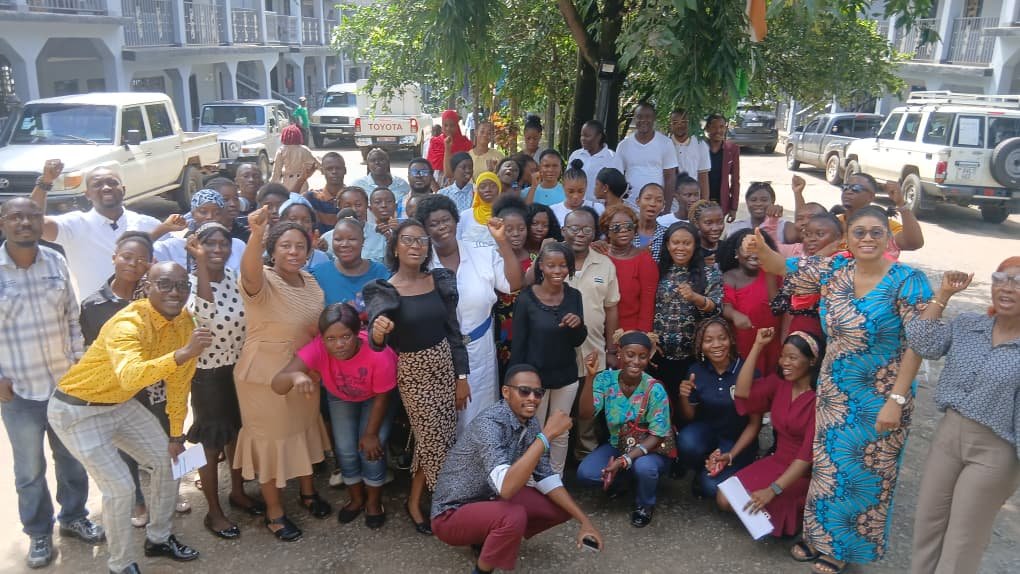
On Wednesday, 17 September 2025, the Ministry of Health and Sanitation (MoHS) held a one-day workshop at Dohas Hotel in Bo, bringing together university students, health professionals, and policymakers for an interactive dialogue on gender equality and Sexual and Reproductive Health and Rights (SRHR).
The event aimed to build capacity among university youth, promote inclusive discussions, and empower young people to take active leadership roles in advancing SRHR in Sierra Leone.
In her welcome address, Kadie Kpaka, Matron of the Bo Government Hospital, emphasized the need to create platforms where students can meaningfully contribute to shaping health and gender policies. She described university youth as “critical partners in the fight against gender inequality and poor health outcomes.”
Nyaisattu Moriwai of Njala University, speaking on behalf of all university students, encouraged her peers to pay greater attention to their gender rights. She stressed that awareness and advocacy are powerful tools in dismantling harmful social norms and promoting positive change.
Dr. Osman Kakay, also of the Bo Government Hospital, highlighted the importance of male involvement in promoting gender equality. “Men should help women discuss issues, not discuss the women,” he stated, calling for inclusive conversations rooted in mutual respect and understanding.
Delivering the keynote address, Mrs. Emmanuella K. Anderson, Gender Focal Person and Director of Policy, Planning and Information at the Ministry of Health, presented a comprehensive overview of the country’s current SRHR landscape.
While acknowledging progress, Mrs. Anderson noted that Sierra Leone continues to face significant challenges. The country recorded a maternal mortality ratio of 354 deaths per 100,000 live births in 2023, an improvement from 443 per 100,000 in 2020, yet still among the highest globally. Unsafe abortions account for 7%* of maternal deaths, and over 22% of girls aged 15–19 are either pregnant or already mothers. The adolescent fertility rate stands at 105 births per 1,000 girls, while one in three girls is married before the age of 18. Female Genital Mutilation (FGM) remains alarmingly prevalent at approximately 83%.
Although 83% of births now occur in health facilities, 24% of married women still have an unmet need for family planning, particularly among youth and marginalized communities. Limited access to accurate SRHR information and youth-friendly services contributes to risky behaviors, including unprotected sex, multiple sexual partners, and delayed health-seeking behavior all of which increase the risk of sexually transmitted infections, unsafe abortions, and school dropouts.
Mrs. Anderson emphasized the need for greater investment in young people, noting that over 40% of Sierra Leone’s population is under the age of 15. “Universities serve as hubs for innovation, advocacy, and leadership,” she said. “By equipping youth with knowledge, skills, and platforms to lead, we are not only investing in their future but in the health and development of Sierra Leone as a whole.”
The workshop offered a collaborative space for students, policymakers, and civil society organizations to exchange ideas on fostering dialogue, strengthening partnerships, and empowering youth to exercise their rights, make informed decisions, and advocate for universal access to SRHR services.
Participants agreed that breaking cycles of poverty, reducing gender inequality, and improving health outcomes require collective action with young people placed at the center of Sierra Leone’s health and development agenda.