

November 23, 2021
By: MOHAMED M. SESAY
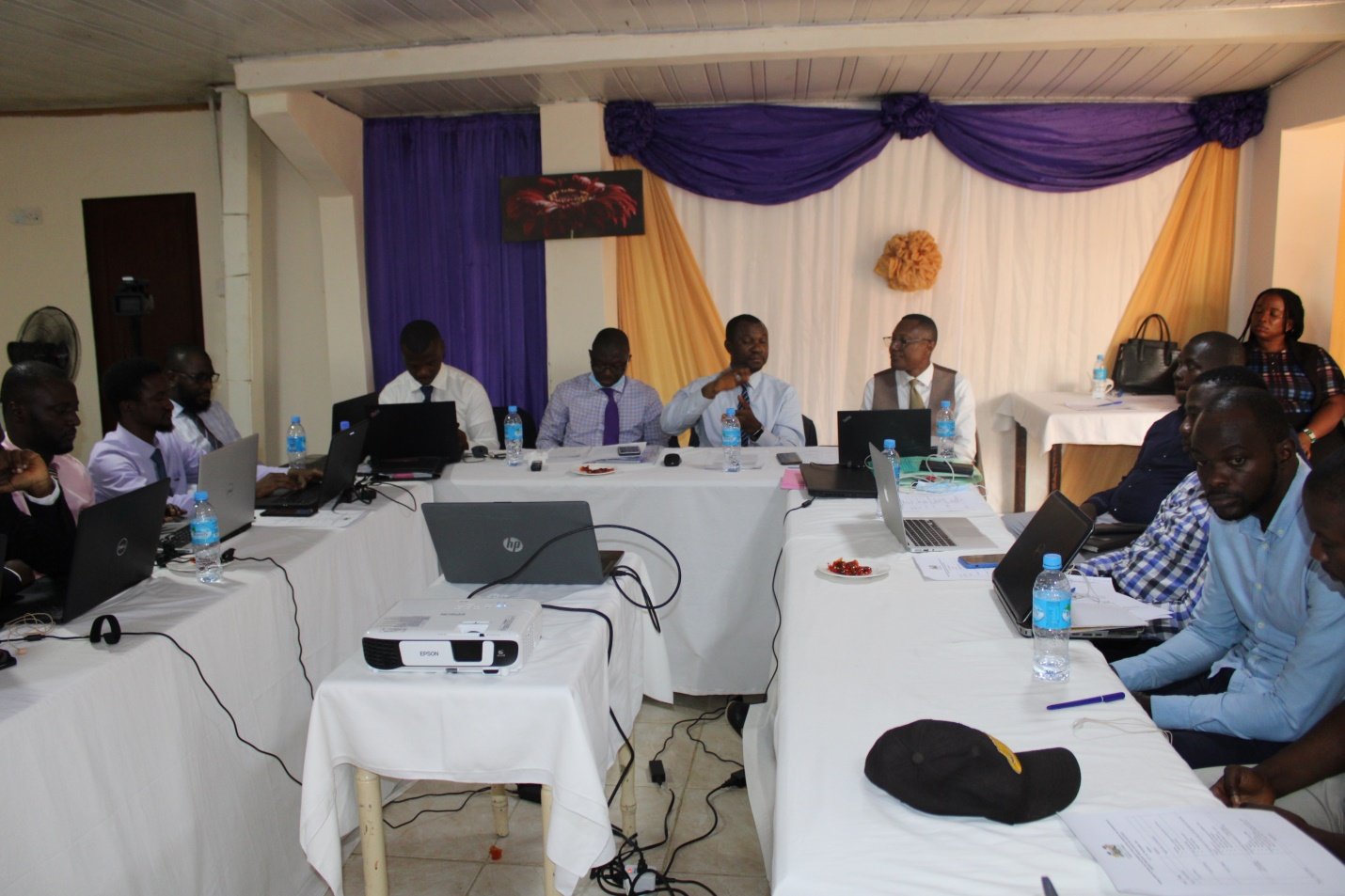
The Directorate of the Public Debt Management in the Ministry of Finance has on Monday the 22nd November 2021, commenced a five-day National Debt Sustainability Analysis (DSA) Workshop on the Medium Term Debt Strategy 2021-2025.
In his keynote address during the opening session of the workshop, the Chief Economist at the Ministry of Finance Alimamy Bangura disclosed that Sierra Leone’s Public Debt and publicly guaranteed disbursed outstanding domestic and external debt is owed to resident and non-residents.
He added that the total stock of public debt at the end of December 2019 (before covid-19) amounted to Le 26.78 trillion which represents 71.24% of the Gross Domestic Product (GDP).
Alimamy Bangura also intimated that the domestic debt accounted for Le 16.54 trillion and Le 10.24 trillion respectively. He went further to state that Public Debt stock increased to 74.24% of GDP at the end of 2020 noting that, the increase was as a result of the exceptional external assistance and new domestic borrowing in order to close the financial gap needed to implement Covid-19 response programmes.
“The covd-19 crisis presents a challenge for sovereign debt managers and debt stresses are likely to exceed the past experience across a number of dimensions including the potential increase in financing requirements, the strain in the market, and for emerging and developing economies”, he said.
Despite the covid-19 pandemic, the Chief Economist assured that there are existing signs of debt build-up evidence by Sierra Leone being classified high risk of debt distress by the end of 2019. Alimamy Bangura also recalled that during the 2018 political transition, he said the Bio led Administration pursued fiscal consolidation and prudent fiscal policies which was supported by the enhanced revenue mobilization.
He added that expenditure rationalization and sound public financial management reforms including the deployment of the Treasury Single Account regime which consolidated revenue generation.
Alimamy Bangura reaffirmed that the GDP increased from 13.7% in 2018 to 14.6% in 2019 before dropping to 13.3% in 2020 due to the covid-19 pandemic.
The Chief Economist continued that government completed the Domestic Arrears Clearance Strategy and principles 2020-2025 which benefited from some funding from development partners to kick-start the clearance.
He acknowledged that the payment of over $100 domestic arrears in 2020 helped to moderate the spiral of debt dynamics and also provide liquidity to banking system which was associated with oversubscription in the Treasury bill.
As part of the Policy implications, Alimamy Bangura also intimated that huge debt service burden averaging over 25% of domestic revenue would crowd out spending on government priority agenda which is the Free Quality Education.
He therefore, urged donor nations to sustain disbursement of grant and concessional relief linked to carbon free economic response programme and commitment.
Alimamy Bangura also encouraged developing countries to deepen Public Financial Management reforms and to improve on the environment for managing public investment programme through careful vetting pf projects, innovative financing options and public partnership programme arrangements.
On his part, the Director of Public Debt Management in the Ministry of Finance Mathew Sandy informed that the total debt to GDP increased to 71.24% by the end of 2019 and further increased to 74.24% by the end of 2020. He added that total public debt reached Le 30.71 trillion at the end of 2020 from Le 26.8 trillion at the end of 2019.
Mathew Sandy also disclosed that total debt service payment for both domestic and external debt increased from Le 1.48 trillion in 2019 to Le 2.55 trillion in 2020.
He attributed the increased to the cost of servicing the growing stock of public debt and repayment of maturing treasury bonds issued in years in order to settle domestic suppliers and contractor’s arrears. Consistent with the increase in the public debt service, Director Sandy noted that total service to domestic budget revenue increased from 27.54% in 2019 to 46.31% in 2020.