

By: Saidu Jalloh
A recent survey by the Institute for Governance Reform (IGR) has revealed that 76% of residents in Freetown believe the city’s electricity supply has improved compared to the previous year. However, the findings also point to ongoing challenges, such as high tariffs, unstable voltage, and institutional inefficiencies that continue to affect the delivery of power.
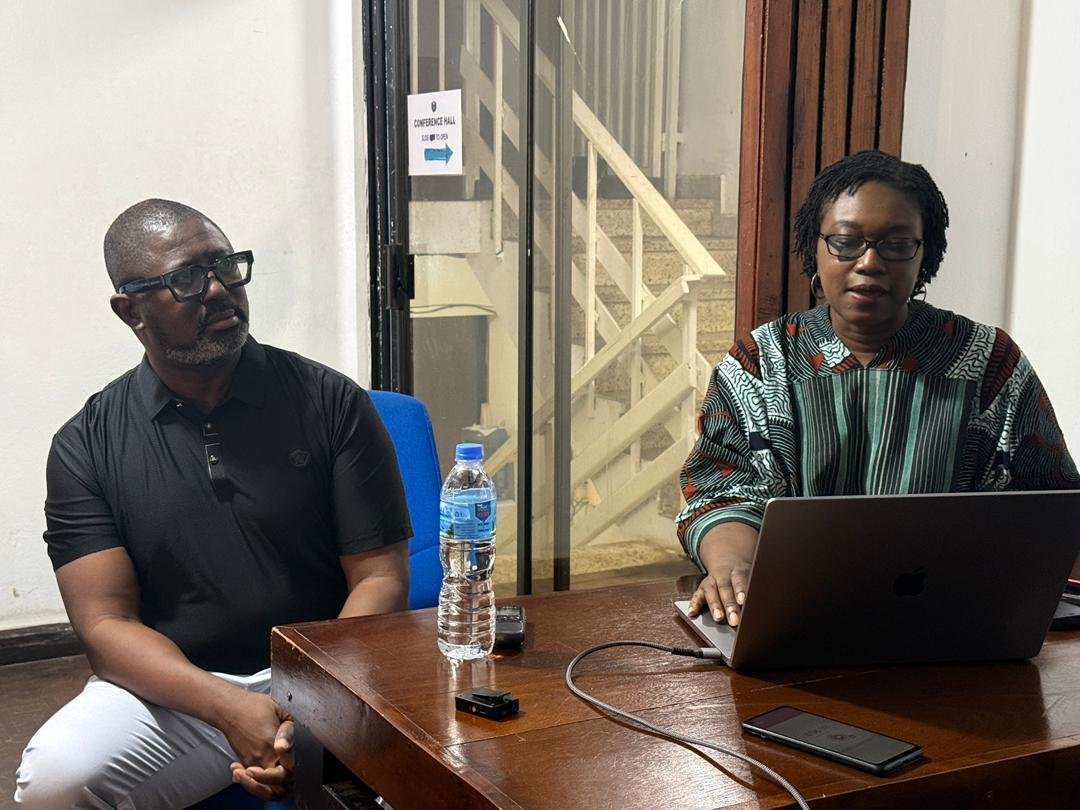
During a press briefing in Freetown, Andrew Lavali, the Executive Director of IGR, explained that the survey aimed to capture citizens’ views on three key urban issues: redistricting Freetown, electricity supply, and managing funeral processions in the congested city.
Lavali described the electricity results as a “mixed signal of progress and pressure,” noting that while access and reliability have improved in several neighborhoods, affordability remains a significant obstacle for many residents. “People are recognizing improvements in service, but they are also feeling the economic pinch,” Lavali stated. “This means reforms must not only focus on generation and distribution but also on affordability.”
The survey found that only 12% of respondents said the electricity situation had remained the same, while another 12% reported a decline. Data further indicated that residents of relatively affluent communities in the West End (83%) were more likely to experience improved electricity compared to those in the Central (77%) and Eastern (71%) parts of the city, where poverty levels remain higher.
Despite the perceived improvement, a large majority of respondents expressed frustration with persistent challenges. Ninety percent (90%) cited high tariffs as their primary concern, followed by low and unstable voltage (67%). Other concerns included power theft (36%), corruption among staff of the Electricity Distribution and Supply Authority (EDSA) (34%), unpaid consumer bills (24%), and government offices failing to pay their own electricity bills (21%).
Professor Fredline M’Cormack-Hale, IGR’s Research and Policy Director, emphasized that the findings highlight the need for policy action to ensure both access and equity in the energy sector. “The data clearly shows that while supply is improving, the system is still burdened by inefficiencies and inequities,” she explained. “The government must address the key issues identified by citizens high tariffs, unstable voltage, and institutional corruption if Sierra Leone is to achieve reliable and inclusive energy access.”
The survey also explored public opinions on funeral processions and traffic management in Freetown. More than half of residents (54%) supported maintaining the city’s grand funeral processions a long-held tradition honoring the deceased while 33% called for reforms to reduce traffic disruptions, and 8% favored a complete ban on the processions.
M’Cormack-Hale noted that the findings on funeral management reflect broader public frustration with urban planning and mobility in Freetown. “Citizens are not against tradition; they simply want solutions that respect culture while improving city movement,” she said.
In terms of methodology, Gabbor Gervai, IGR’s Data Manager, explained that the survey was conducted exclusively in Freetown’s Western Urban area between October 9 and 10, 2025. A total of 1,107 adult respondents were interviewed face-to-face in Krio to ensure inclusivity. The sample was considered representative of the city’s population.
Lavali reiterated the credibility of the data, emphasizing that the findings represent the views of citizens rather than IGR’s institutional position. He urged both the Government of Sierra Leone and the Freetown City Council to take the findings seriously. “This survey is important because these two authorities must do better for Freetown,” he asserted.